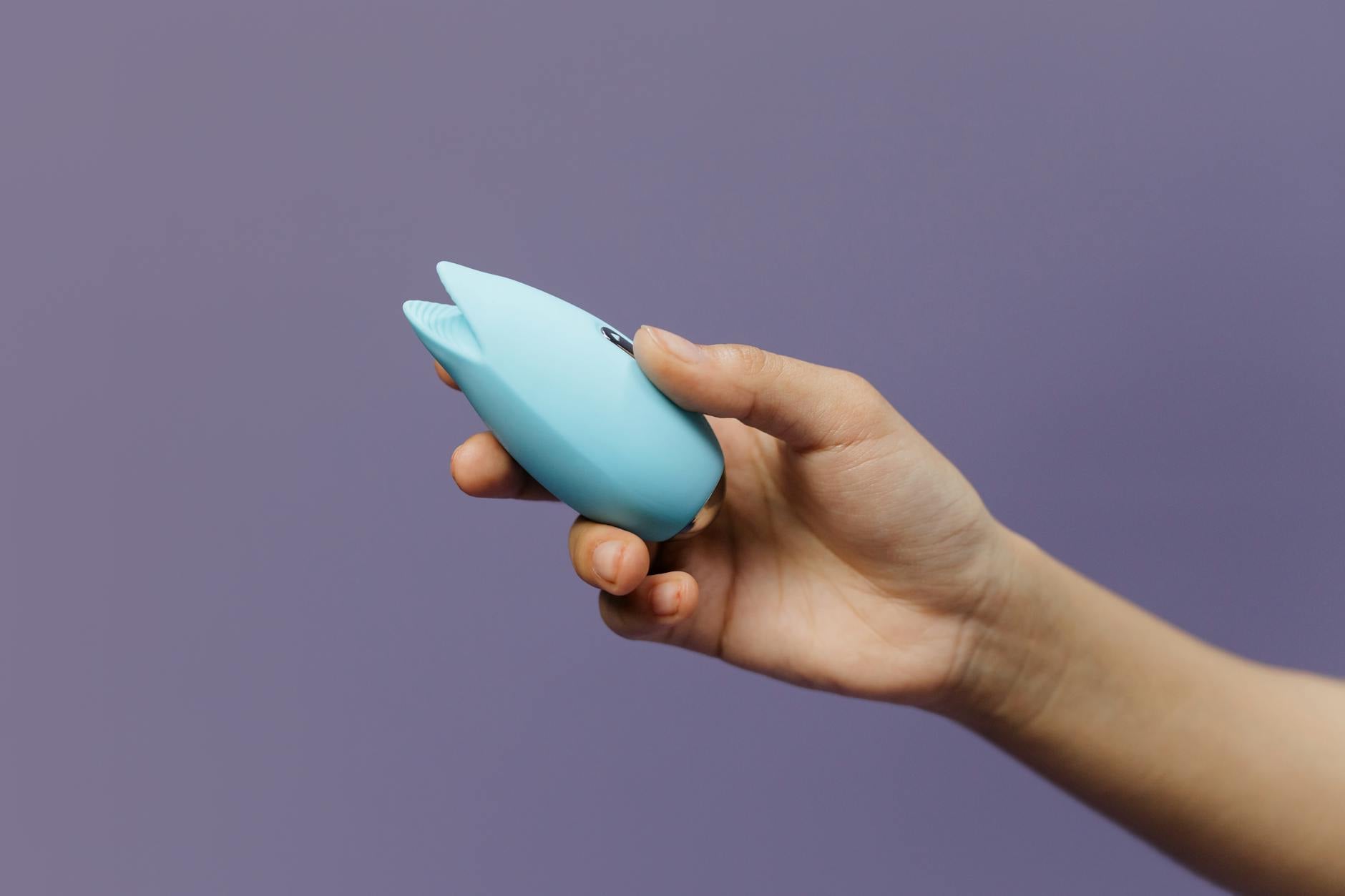
How to Use Lemon Vibrators When Your Partner Prefers Different Stimulation
One of you craves clitoral sensation. The other wants penetration or something else entirely. Here's how a lemon clitoral vibrator becomes the bridge, not the problem.
You want the Lem. Your partner wants something completely different. Maybe they want penetration. Maybe they want you focused on them. Maybe they just don't understand why you need external stimulation at all. This isn't a problem with your body or your desire. It's a conversation that every couple eventually has, and most of them handle it terribly because they treat it like a negotiation instead of a puzzle.
Here's the thing: a lemon vibrator isn't a replacement for your partner. It's not a sign you need more. It's a tool that lets both of you get what you actually want in the same encounter without resentment building on either side. And that changes everything.
Most couples assume desire differences are about how much sex someone wants. They're usually about what kind of stimulation lands. Some bodies respond fastest to internal pressure. Some need direct clitoral contact. Some want rhythm. Some want variety. None of these are better or worse, but they're often incompatible in a single session without tools.
The real tension isn't about preference. It's about the story you're both telling yourself. Your partner might think "she needs a toy because I'm not enough." You might think "he doesn't care what I actually need." Both are stories. Neither is true. What's true is simpler: your nervous systems respond to different input, and that's fixable.
Before you introduce the Lem into partnered sex, you need one conversation that has nothing to do with the toy itself. You need to separately, outside the bedroom, answer this question: "What story am I telling myself about my partner using or not using this with me?"
If you're the one wanting the toy, your story might be "if they loved me, they'd want to help me feel good." If you're the partner hesitant about it, your story might be "if she needed me, she wouldn't need that."
Both stories need to die before the toy enters the room. The actual story is: "We're two different bodies with two different nervous systems, and we're creative enough to make room for both."
That shift in narrative changes how the toy feels in your hands. It stops being a failure and becomes a collaboration.
Here's where the actual mechanics matter. If you want clitoral stimulation via a lemon sucker and your partner wants penetration, you have three main setup options.
Option one: You lead, they follow. You're on your back or propped up slightly. You use the Lem on yourself while your partner penetrates you. This works best if you both like a similar pace and your partner can focus on their own sensation without you needing constant rhythm changes. The advantage: you stay in control of your clitoral pressure while they get what they want. The disadvantage: you're managing two different sensations simultaneously, which can split your focus.
Option two: Side-by-side or modified spooning. You're lying on your side, using the lemon clitoral vibrator on yourself while your partner enters from behind. This is lower intensity for both of you, which means it often lasts longer and feels less like a performance. The rhythm doesn't have to match because you're not trying to coordinate as much.
Option three: They use it on you while also being inside. This requires a partner who's genuinely interested in your clitoral sensation, not just tolerating it. They hold the Lem against your clitoris while they penetrate you. This is the most collaborative option because they're actively involved in your pleasure. It also usually results in faster or more intense orgasms because both kinds of stimulation are happening. The catch: it requires some practice and trust, and your partner needs to understand that if the pressure or angle feels off, you'll tell them immediately without it meaning anything is wrong.
A lot of resistance to lemon vibrators in couples sex isn't about the toy. It's about vulnerability. Your partner might worry that wanting you to use a toy means they're not enough. They might feel like they're being replaced. They might not understand the difference between clitoral and penetrative sensation and think you're saying penetration doesn't feel good.
Here's what actually helps: explain the difference between pleasure types, not pleasure amount. Tell them: "Clitoral and internal sensation are completely separate nerve pathways. I can have both simultaneously and want them both more." This is neurologically true, and it reframes the toy as addition, not substitution.
Also, ask them what they actually want during sex. Really ask. Maybe they want you to vocalize more. Maybe they want less performance and more presence. Maybe they're worried they're taking too long. Often when you name what they're actually concerned about, the toy becomes less threatening because it's not a stand-in for a larger conversation.
Don't bring the lemon vibrator into sex when you're already frustrated. Don't introduce it as a solution to "we're not connecting." Those moments are loaded, and the toy becomes evidence of a problem instead of a tool for pleasure.
Introduce it when things are good. When you're both relaxed, satisfied, and in a playful headspace. You might say: "I've been thinking about trying something. I love how you touch me, and I also know my body responds really well to direct clitoral stimulation. I want to experience both at the same time with you. Are you interested in exploring that?"
Notice the frame: you're not asking permission or apology. You're inviting collaboration. That changes how your partner hears it.
Start with the toy in solo sex first. Let your partner watch if they're comfortable. Some people's hesitation disappears entirely once they see you using it. It stops being abstract and becomes visual. They see your pleasure, not your lack of their pleasure.
When you're both trying something new, there's often silent pressure. You might feel like you need to have an amazing orgasm to justify the toy. Your partner might feel like they need to perform better or last longer. Neither of these thoughts helps.
Set an expectation beforehand: "We're trying this to explore. That's the only goal. If it feels amazing, great. If it feels awkward, that's data too."
Give yourself permission for the first time to just be weird and exploratory. Adjustment happens fast once you stop performing.
While you're using the Lem with a partner, simple communication prevents so much downstream tension. Not long conversations. Quick check-ins.
"Is this pressure okay?" "That angle is perfect." "Can you slow down for a second?" These aren't mood-killers. They're the difference between both of you being present and one of you being lost in your head.
If something doesn't feel good, say it immediately without apology. "That's too much" isn't a criticism. It's useful information. Your partner actually wants to know. They'd rather adjust than worry you're faking it.
Once you're both done, spend five minutes talking about what worked. Not analysis. Just "that felt really good" or "I liked when you..." or "next time let's try..." This keeps the toy from feeling like a private thing you do and instead keeps it part of your shared sexual story.
Some couples find that using a lemon clitoral vibrator together actually improves their entire sexual connection because it forces honest communication they'd been avoiding. Suddenly you're both saying what you actually want instead of performing what you think the other person wants.
Frame it around your own pleasure, not their performance. "My body responds really well to clitoral stimulation, and I want to experience that while we're together" is miles different from "you're not doing this right." Make it about addition, not replacement. And honestly, if your partner interprets your needs as criticism no matter how you phrase it, that's a larger conversation about how they handle vulnerability.
Then you're in the same situation, just reversed. All the same principles apply. You take turns getting what you need, or you find positions where both happen. The Lem isn't gendered; curiosity is.
Absolutely. Some people use clitoral vibrators specifically because they like the extended intimacy of sex without the pressure of orgasm being the goal. The Lem can be part of sex for connection and sensation, not as a path to climax. That might actually take pressure off both of you.
That's a response worth exploring, but not during sex. Outside the bedroom, ask: "What story are you telling yourself about what this means?" Often it's something like "real men don't need help" or "she should come from me alone." Those are cultural stories, not truths about your relationship. If he's willing to examine where they come from, they usually soften. If he's not, that's about his comfort with vulnerability, and that's bigger than the toy.
Transparency beats secrecy. When a toy is something you both know about and have chosen together, it's part of your shared pleasure. When it's hidden, it becomes something shameful. Keep it in the bedroom, not hidden in a closet. It's not embarrassing; it's just what works for your bodies.
You ask. Directly. "Are you actually into this, or are you doing it for me?" Their answer matters. If they're doing it for you, that's touching but also not sustainable. Find something you both actually want, even if it takes time to figure out what that is.
The couples who navigate this best aren't the ones with perfectly matched desires. They're the ones willing to have awkward conversations, willing to try things that feel weird at first, and willing to keep asking "what do you actually want?" instead of assuming.
A lemon sucker isn't a solution to desire mismatch. It's a tool that lets you both be honest about what you need and find space for both to happen. And that's where real couples pleasure lives.