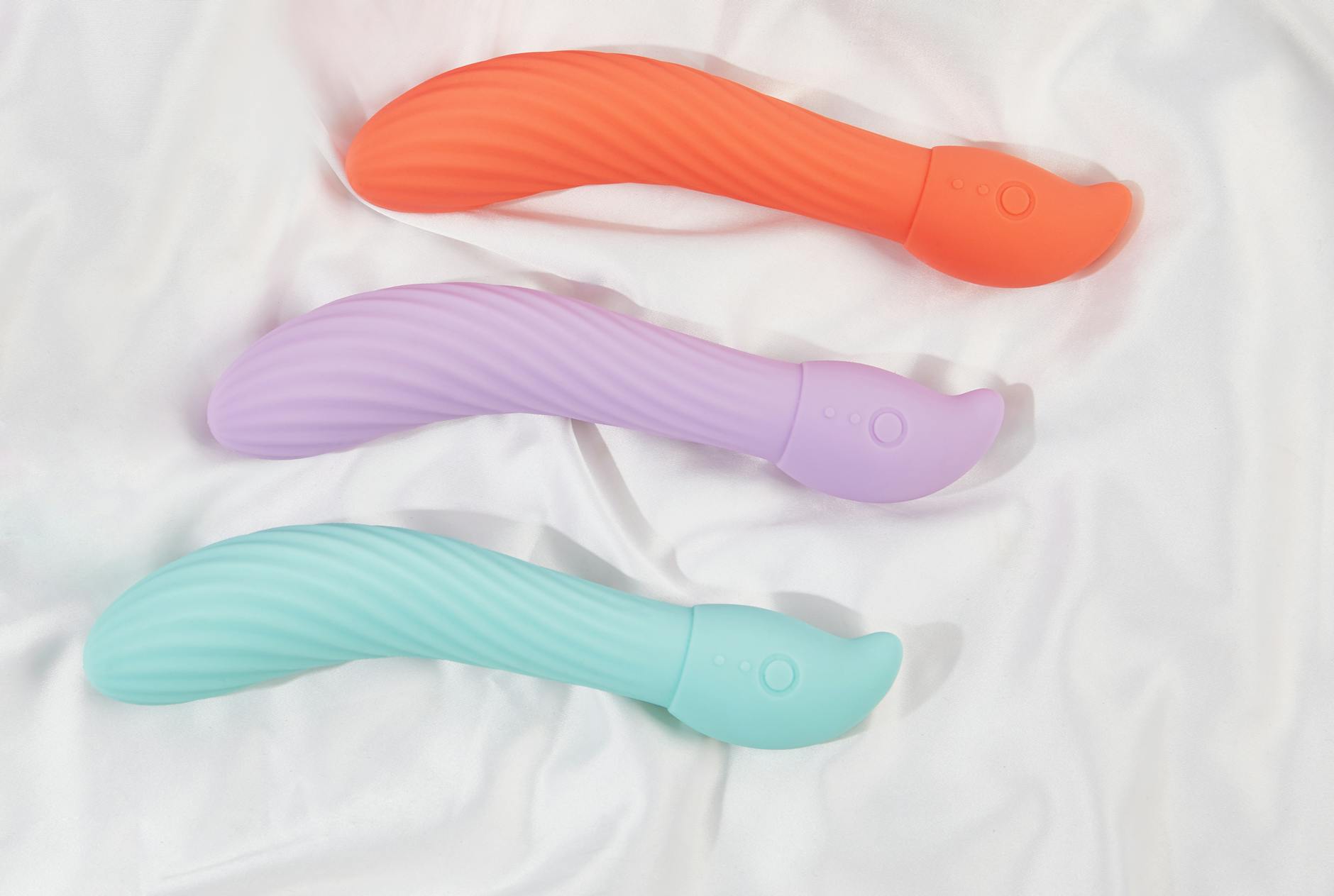
Bringing a lemon clitoral vibrator into a new relationship doesn't have to feel awkward. Here's the conversation starter, the setup, and what to expect the first time.
It's not the vibrator itself. It's the moment before you introduce it. That gap between thinking "I want to do this" and actually saying it out loud is where most people get stuck. The worry isn't usually about whether your partner will judge you. It's whether they'll think you're saying "what we're doing isn't enough." That's the misreading that kills the conversation before it starts.
Here's the thing: using a lemon vibrator with a new partner is one of the clearest signals of emotional safety you can send. You're saying "I trust you enough to show you exactly what feels good." That's not criticism. That's intimacy.
Timing matters less than you'd think. Some couples bring up vibrators after three months. Others wait a year. What actually determines whether it lands well is whether the foundation feels solid. You need to have had honest conversations about what you both like, what feels good, and what doesn't. If you're still performing for each other or guessing what the other person wants, now's not the time.
But if you've already had a few "that felt good when you" or "I like it more when we" conversations, you're ready. Those casual check-ins are the green light that you can talk about pleasure without it feeling like a negotiation or a complaint.
One more thing: your new partner might feel relieved. A lot of people worry they're not naturally "good at this." Having a lemon vibrator in the room says "we're not relying on guesswork." Many partners experience that as permission to relax, not as pressure to perform.
The worst opener: "I think we need a vibrator." That lands like a problem statement.
Better: "I've been thinking about something and I want to ask." Pause. "Have you ever thought about using vibrators together? I'm curious if that's something you'd want to try."
Better still: Make it about curiosity, not necessity. "I have this lemon vibrator I've been using solo, and I'm kind of into it. I'm wondering if you'd want to explore it together sometime." This tells them you already know your own body. That confidence is actually sexy.
If they freeze or say "I don't know," don't push. Instead: "No pressure at all. I just wanted to put it out there. We can think about it." Then let it breathe. Sometimes people need time to sit with the idea. Checking in again a week later is fine. Checking in the next day reads like you're trying to convince them.
Once they've said yes or "maybe, tell me more," here's what helps:
Show them the actual device. Pull out your lemon clitoral vibrator and let them hold it. Make it tactile and real, not abstract. A lemon vibrator is small, sleek, and not intimidating. Letting them see it and feel the weight and texture removes a bunch of imagined scariness.
Explain what you like about it. "It's quiet, which I like. The suction feeling is different from anything else I've tried. It doesn't feel clinical." This is personal information about your pleasure, which deepens trust.
Ask what they're curious or nervous about. Nine times out of ten, the question is something like "Will it feel weird being in the room?" or "What if I can't finish you without it?" Those are real concerns and they deserve a real answer. The answer to the second one is: "No. This isn't instead of you. It's something we're exploring together. You're still the one I'm present with."
Suggest a low-stakes first experience. Don't say "Let's do this Sunday and make it a whole thing." Say "Next time we're intimate, would you want me to use it? Or we could just show you how it feels, no pressure to do anything else." This removes the performance aspect. You're just adding a tool, not rewriting the whole experience.
Set yourself up for success, not for a highlight reel.
Make sure your lemon vibrator is charged. You don't want to get to the moment and have a dead battery. That's a weird mood killer.
Have lubricant nearby, even if you don't think you'll need it. Sometimes lube helps the sensation feel different and better. It's one less thing to worry about mid-moment.
Start with lower intensity settings. You know your body. Your partner doesn't yet, and the last thing you want is for them to think the vibrator is running the show. It's not. You're still in control.
If you're feeling nervous, say so. "I'm a little nervous about this, which is silly, but I wanted to say it." Most partners will respond with tenderness, which actually makes the whole thing feel safer. Vulnerability is foreplay.
You might orgasm. You might not. You might feel incredibly present and connected. You might feel a little self-conscious. All of these are normal.
Some partners want to watch. Some want to participate by controlling the device or holding you. Some prefer to be next to you doing their own thing. There's no script here. The point is that you're exploring together, not that there's a specific outcome.
One thing I've seen happen: people feel surprised by how much easier it is to orgasm with a partner present when there's a clitoral vibrator in the mix. That's partly physiological. It's also partly psychological. You're not performing. You're not managing their feelings. You're just letting yourself feel good, and that permission changes everything.
After the first time, check in. Not in a "rate that on a scale of one to ten" way. Just "How was that for you?" Their answer matters. If they loved it, you know you have a new tool in your toolkit. If they felt a little uncertain, that's information too. You can adjust.
Will it feel impersonal? No. You're using it with your partner present and engaged. That's the opposite of impersonal. If anything, it often feels more intimate because you're letting them see exactly what your body responds to.
What if they think I'm not satisfied with them? This is the big one. Have the meta-conversation first. "I want to be clear about something. This isn't about you not being enough. This is about adding texture to what we're already doing." Most partners get it intellectually once you say it. They get it emotionally once they see how much you enjoy being close with them while you're also experiencing intense sensation.
What if the device doesn't work the way I expected? Charge it first, obviously. But also, sometimes the sensation changes when you're with a partner. You might need a different angle or pressure. That's not a failure. That's just information. Adjust.
What if they want to use it on me and I don't want that? Say so immediately and kindly. "I appreciate that, but I want to lead this one." You can always offer that later. For now, focus on what feels good to you.
You've opened a door. That doesn't mean you have to use lemon vibrators constantly now. Some couples do. Some bring it out once a month. Some try it once and prefer other things. The point is that you've made pleasure a conversational topic instead of a secret thing.
A lemon clitoral vibrator in a new relationship says: "I know what I like. I trust you. I'm not performing. I'm present." Most partners find that incredibly attractive.
You don't need to lead with it. But if it comes up naturally (you're talking about sexual history, preferences, whatever), mentioning it is fine. "Yeah, I use a vibrator solo sometimes. It's just part of how I take care of my own pleasure." That's a normal sentence. If they react badly to that, they're not the right person anyway.
That's actually sweet and a sign they're taking it seriously. You could say "I like that idea, but would you be okay if we started with the one I have? Then we can explore what we both like." Or just agree. Having their own vibrator can reduce any weirdness about ownership or history.
There's no rule. Some couples use it every time they're intimate. Some use it once a month. Some try it and decide it's not for them. The right frequency is whatever you both want, and that can change. Check in every few months: "Is this still feeling good for you?" Pleasure is a conversation, not a fixed plan.
Give them time. Some people grew up in environments where sex toys felt taboo or weird. Seeing a lemon vibrator in person can take a minute to process. Don't make a big deal of it. "It's just a tool. No pressure." If they genuinely don't want to engage with it, that's their boundary and you respect it. You can still use it solo.
Completely normal. In fact, that's one of the most common experiences. You're not distracted by performance anxiety. You're not managing their feelings. You're just present with sensation and another person. That's a recipe for orgasm. It doesn't mean anything except that your nervous system feels safe.
Absolutely. Some people want to keep going. Some want to shift focus to their partner. Some want to cuddle and rest. None of those are wrong. The conversation might be "After I get there, what do you want?" This removes the guessing game and makes the whole thing feel like a team sport instead of a performance.
Introducing a lemon vibrator to a new partner is an act of trust and clarity. You're saying "Here's what my body likes." You're inviting them to be present with you. That vulnerability often deepens connection faster than anything else. The conversation is slightly awkward. The actual experience usually isn't. And after that first time, you have a new dimension to your intimacy. That's worth the brief moment of awkwardness at the beginning.