A relationship ends. Or it shifts. Or it was never what you needed it to be. And suddenly, touching yourself feels different. Not wrong. Not broken. Just unfamiliar. Maybe a little grief-stricken. Maybe weirdly hopeful. That texture of change runs through your whole body, including the parts that used to know what pleasure felt like.
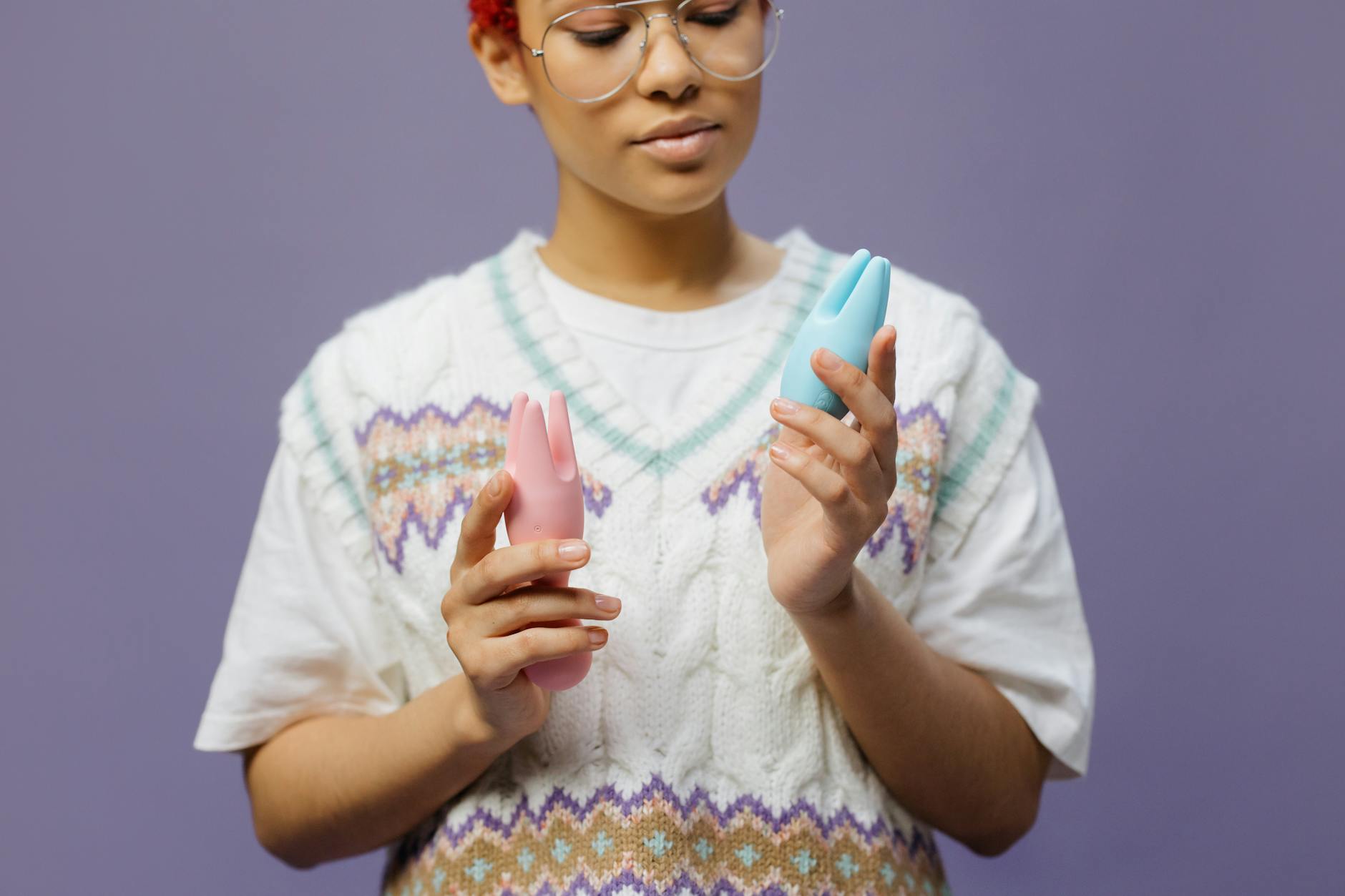
So you pull out your lemon clitoral vibrator. The one you used to love. And it's like meeting an old friend who sees you're different and doesn't quite know what to say.
This is normal. And this is exactly where I want to start, because the first thing you need to know is that your body isn't broken. Your nervous system is recalibrating.
When you were in a relationship, your body learned to respond in a particular ecosystem. Maybe you were aroused by a partner's touch. Maybe you learned to fast-track your pleasure because you felt self-conscious. Maybe you stopped feeling pleasure altogether as a protective move. Maybe you felt safe in a way that made vulnerability possible.
Now that's gone. Your nervous system is still holding the map to that old landscape, but the landscape has changed.
What this means physically: your arousal might take longer to build. Your clitoris might feel more sensitive or less responsive. An intensity level that used to feel amazing might suddenly feel too much, or like it's coming from outside you rather than from you. Your breathing might be different. Your mind might wander in ways it never used to.
This isn't desensitization. This isn't you losing capacity. This is your nervous system running a security scan.
Honestly? The first time you use a lemon vibrator after a major relationship change, it might feel awkward. You might feel sad. You might feel nothing at all. You might feel weirdly powerful. You might cry. All of these are completely fine.
Here's what I recommend for the first few sessions:
Set time aside when you won't be interrupted. Not rushed. Not while you're also listening for a text. Give yourself 20 to 30 minutes with zero other demands. This is non-negotiable. Your body needs to know it's actually safe to feel things right now.
Start at a lower intensity than you used to. If you were using settings 5 or 6 with a partner, begin at 2 or 3 now. You're not starting from zero. You're just giving yourself room to rebuild the sensation map.
Touch other parts of your body first. Spend five minutes or more just feeling your own skin. Your neck, your breasts, your inner thighs, your stomach. There's often a disconnect between the person you were and the person you are now, and rebuilding that relationship with your own body is the actual work. The vibrator is just a tool.
Notice what you're thinking, without judgment. Is your mind wandering to the old relationship? Are you feeling guilty about enjoying yourself? Are you comparing this to before? Don't try to push those thoughts away. Just notice them and come back to sensation.
Here's something I've seen shift for almost every client who's navigated a major relationship change: pleasure stops being something that happens to them and becomes something they choose.
When you're partnered, even in a healthy relationship, there's a negotiation. Your partner's pleasure matters. The dynamic matters. You're working within a system that includes another person. That's not bad. But it is different from knowing your body belongs entirely to you.
After a breakup or a major shift, many people find that solo pleasure with a lemon vibrator or other clitoral vibrator becomes this radical reclamation. You get to decide what feels good. You get to change your mind mid-session. You get to stop if you want to. You get to go slower. You get to make sounds. You get to ask for nothing and take everything.
This is worth savoring. Not because partnered pleasure is bad, but because this particular kind of ownership is rare and worth knowing.
A lot of people panic when they come back to a lemon vibrator after a relationship change and find that the same intensity feels too strong. They think something's wrong. It isn't.
Intensity tolerance shifts when your emotional landscape shifts. When you're grieving, your nervous system is already activated. When you're processing anger, your body might feel defensive. When you're rebuilding trust in yourself, you might need gentler stimulation while you're doing that internal work.
The solution is simple: move down in intensity and don't judge yourself for it. Your clitoris is still the same. Your capacity for pleasure is still there. You're just listening to what you need right now. And what you need right now might be different from what you needed six months ago.
If lower intensity actually feels better and more satisfying, stick with it. You don't graduate back to higher settings. You just use what works.
One thing I recommend is treating the first few weeks after a relationship shift like you're getting to know the lem vibrator for the first time. Read the materials if you haven't already. Experiment with different patterns. Notice which ones make your body want to lean in and which ones feel neutral.
You might discover that you actually prefer a pattern you never used before. You might find that what you want now is less about intense stimulation and more about extended, sustained sensation. You might want to use a lemon sucker in a way that's completely different from how you used to.
This is the gift of major life change: you get to rewrite the script. You don't have to do pleasure the way you did before.
Something that surprises people: you can feel sad about a relationship ending and also feel good using a lemon vibrator. These aren't contradictory. Your body can hold both.
In fact, one of the most healing things you can do after a major relationship change is give yourself permission to feel pleasure even though other things are hard. It's not disrespectful to the grief. It's not moving on too fast. It's your nervous system finding moments of safety and aliveness in a transitional time.
Many of my clients report that reconnecting with solo pleasure is one of the things that actually helps them process the relationship shift. Because it proves to them that pleasure isn't something that was taken away or lost. It's something that's still theirs.
If you find that you're experiencing pain when you use a lemon clitoral vibrator, that's worth investigating with a pelvic floor physical therapist or a doctor who specializes in sexual health. Pain isn't a sign you've been without a partner too long. It's worth getting checked.
If your grief is so heavy that you're having trouble with basic self-care, or if you're isolating completely, that's not something to solve with a vibrator. That's a sign to reach out to a therapist or counselor. I can help with the pleasure piece, but the grief piece is its own territory.
And if you're feeling pressure to jump back into dating before you're ready, remember that solo pleasure is not a waiting period before partnered pleasure. It's a complete and whole thing on its own. Take whatever time you need.
Completely normal. Your nervous system is in a different state. When you're processing change, your body's baseline activation level shifts, which means the same intensity might feel different. It doesn't mean you're broken or that you've lost sensation. Your body is just asking for something gentler right now. This usually shifts back over time, or you might discover that you actually prefer the lower intensity and stick with it. Both outcomes are fine.
Yes, absolutely. There's no reason to buy a new one. In fact, using the same tool and just approaching it differently can actually help your body understand that you're the one in charge now. The vibrator didn't change. The context changed. And that's the whole point.
It varies. Some people feel comfortable within days. Others need weeks or even a couple of months. There's no timeline. Your nervous system will tell you when it's ready. The key is not forcing it. If it doesn't feel good, don't do it. If it feels good, great. Pay attention to what your body is actually asking for rather than what you think you should be doing.
If and when you're ready to date again, yes. Knowing what you like solo makes partnered sex so much better. You're not starting from zero. You know your body. You know what feels good. You can actually advocate for yourself. That's not baggage. That's information. And any good partner wants to know what works for you.
Solo pleasure is complete on its own. It's not a consolation prize. It's not a waiting period. It's a full expression of sexuality and pleasure. If you're someone who wants partnered connection, that's valid too. But the pleasure you give yourself right now isn't something to minimize or rush through. It matters.
That guilt is worth sitting with for a minute, not because you should act on it, but because it usually tells you something about what you believed the relationship meant. Grief and pleasure existing at the same time doesn't mean you didn't care. It means you're human and your body is moving forward even while your heart is catching up. That's okay. Use the vibrator anyway. The guilt usually softens with time and with the evidence that you can feel good and also feel sad.
After major relationship changes, one of the most powerful things you can do is reconnect with solo pleasure. Not as a consolation. Not as a stopgap. As a full, complete expression of what your body can feel and know and want.
Your lemon vibrator doesn't care what your relationship status is. It doesn't carry memories of what came before. It's just here to deliver sensation if you want it. And right now, learning to want things for yourself, on your own terms, in your own timeline. That's the work.
Your body is still yours. Your pleasure still matters. And using a lemon sexual toy as part of reconnecting with that is not just okay. It's kind.