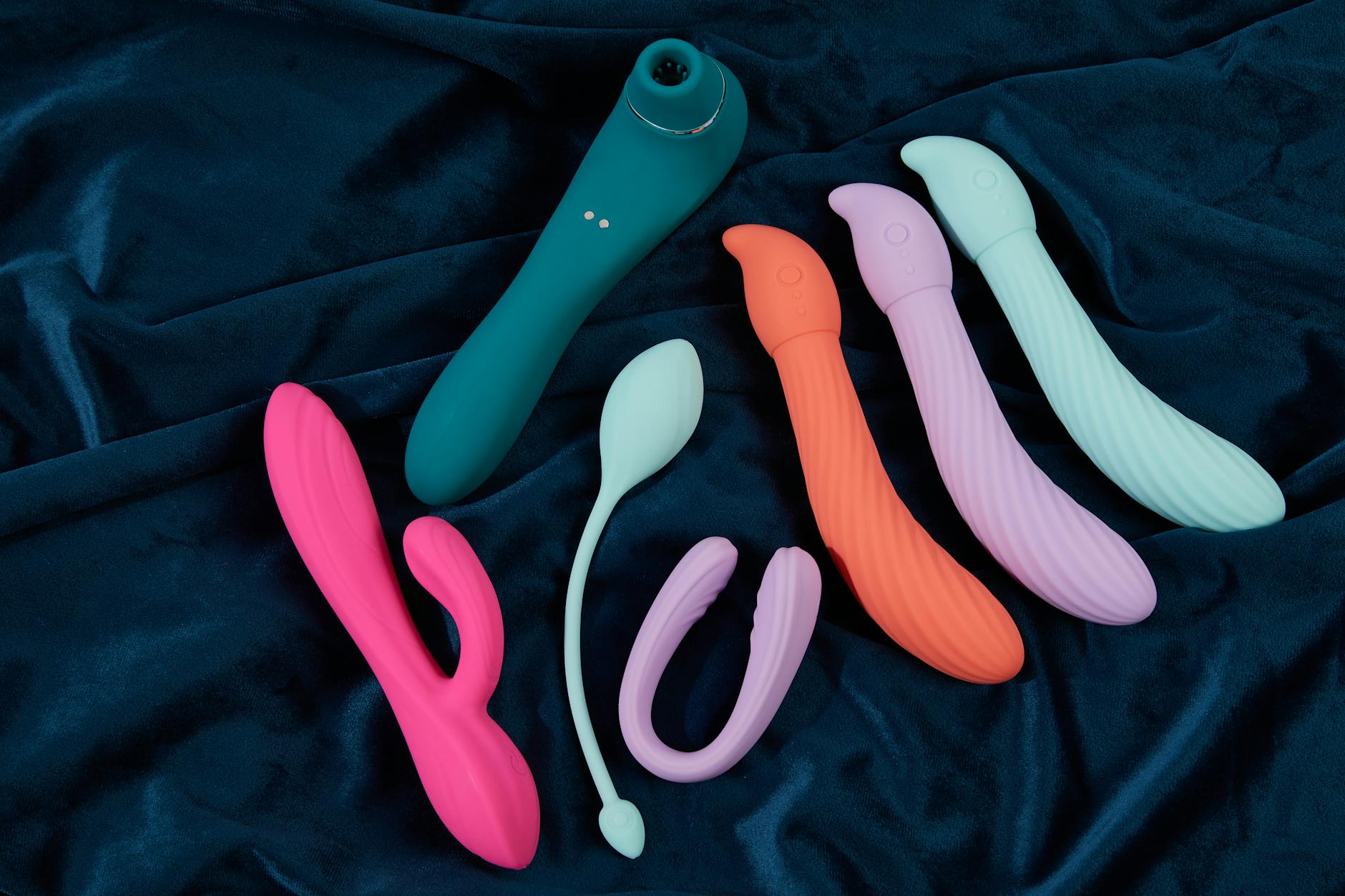
How to Use Lemon Vibrators After a Long Break From Sex
You're not starting from zero. Your body remembers. Here's what happens when you reintroduce pleasure after months or years, and why a clitoral vibrator changes everything about that process.
Months without sex. Maybe years. Whether it was medical, emotional, a relationship ending, or just life happening too fast to notice pleasure had left the room, coming back is not the same as starting fresh. Your body didn't forget. Your nervous system did.
When you stop having sex or touching yourself for an extended period, a few things shift. Blood flow patterns change. The pelvic floor tightens slightly from disuse. Your brain's arousal threshold rises because the neural pathways for pleasure get quieter without practice. And anxiety shows up because your mind has probably spent the time in between creating a story about what sex or masturbation "should" feel like or how your body "should" respond.
Here's the good news: all of that reverses, usually faster than you'd expect. And a tool like a lemon clitoral vibrator can actually speed up that reconnection because it doesn't require the same physical effort your hand does.
Think of arousal like a dimmer switch. After a long break, your switch is stuck down low. You can push it up manually (using your hand), but it requires consistent pressure and effort. A vibrator does that work for you, which means two things happen: first, you can spend longer in the arousal phase without fatigue, which teaches your nervous system that pleasure is sustainable. Second, the consistent vibration bypasses some of the mental noise because the sensation is so direct that your brain has less room to narrate.
With a lemon clitoral vibrator specifically, the suction-style stimulation creates a different kind of sensation than traditional vibration. It's gentler on tissue that might be sensitive from the gap, and it tends to activate arousal faster because suction is closer to the natural way your body responds to touch.
Honestly, the physical reintroduction is the easier half. The harder half is the voice in your head asking whether you're doing it "right," whether this should feel better by now, whether your body is broken, whether you're broken. That voice gets louder after a gap because shame and doubt had uninterrupted time to build a home in that space.
Here's what I tell clients: your only job for the first few weeks is to get comfortable with touch again. Not to orgasm. Not to feel amazing. Just to remember what sensation feels like without judgment. A vibrator helps because it removes the pressure of technique. You're not performing. You're just learning your body's language again.
One of the most helpful things you can do is separate arousal from outcome. Don't go in hoping for an orgasm. Go in curious. Notice what feels good, what feels neutral, what feels weird. Your body is not the problem. The gap is the problem, and the gap closes by showing up.
You're going to need four things working in your favor.
Time and space. Not just physical space, but mental space. This is not a quickie situation. Budget 20 to 30 minutes and make sure you're actually alone. One eye on the door will keep your nervous system locked in low gear.
Lubricant. Even if you were wet before the gap, your body might be drier now, especially if hormones or medications have shifted. Water-based lube is your friend. It feels more natural than you'd expect, and it removes one more thing your mind can worry about.
Low pressure. Start your lemon vibrator on the lowest setting. You're rebuilding sensitivity, not demolishing it. If you had a favorite pattern or intensity before the gap, that setting might feel too much right now. Give yourself permission to work up gradually.
Gentleness with yourself. The first time back, you might feel very little. You might feel nothing. You might feel anxious the entire time. None of those are failures. They're information. Your body is telling you it needs more time in this phase before it moves to the next one.
Don't expect the same thing you felt before the gap. Different doesn't mean broken.
Many people report that after time away, sensation feels muted at first. Like someone turned down the volume on your body. That's normal. It comes back, usually within a few sessions, as blood flow increases and your nervous system remembers what to do with stimulation.
Some people feel more sensation than before because the gap created a kind of appetite. Your body wakes up hungry. That can be intense, which is why the lowest setting matters.
Others feel emotionally flooded. Pleasure connects to memory, and a long gap often means something happened during that time. A breakup, grief, medical trauma, burnout so deep you couldn't imagine wanting anything. Those feelings might surface when you reintroduce pleasure. If they do, that's not a sign to stop. That's your nervous system beginning to release tension it's been holding.
Your mind will likely pull up memories of what sex or masturbation felt like before. And it will use those memories as the measuring stick for right now. Don't fall into that trap.
A long break changes the baseline. You're not trying to get back to where you were. You're building something new that will eventually feel as good or better. But it has to start where you actually are, not where you wish you were.
Talk to a partner about this if you have one. The comparison trap is especially vicious in couple dynamics because you're also measuring yourself against what your partner wants or expects. Rebuilding pleasure with a new partner has its own rhythm. After a gap, that rhythm is usually slower at first, then accelerates.
If you're partnered, you have a choice about whether this reconnection happens solo first or as a couple activity from day one.
Honestly, I usually recommend a few solo sessions first. One, because it removes performance pressure. Two, because you get to learn your body again without anyone else's arousal in the room. Three, because if anxiety or emotion comes up, you're not also managing someone else's reaction.
Once you've reintroduced pleasure solo and it starts feeling natural, bring your partner in if you want. Show them how you're using the vibrator. Let them watch. Or use it together. The lemon clitoral vibrator works well for partnered play because the shape is easy to use with another person nearby.
Three to five sessions is typical for sensation to start coming back online. But "sensation" is individual. Some people feel responsive immediately. Others take a few weeks. Consistency matters more than intensity. Show up regularly, even if it's just 15 minutes, and your nervous system will recalibrate faster than sporadic longer sessions.
Nothing means your nervous system is still in protective mode. That's not a failure. Keep the vibrator on a low setting, stay there for maybe 10 minutes without any expectation, and try again in a day or two. Your body learns that this activity is safe when you repeat it without pressuring an outcome.
Yes, unless it's broken or degraded. The continuity is actually helpful because your body has muscle memory with that specific sensation. If you're starting fresh with a new vibrator like a lemon adult toy, that's fine too, but understand that you're learning two things at once: the gap and a new device.
If the break was due to medical reasons, medical trauma, or medications that might affect sensation, a quick call to your doctor or therapist is worth it. They can rule out any physical issues and give you reassurance. Most gaps have no medical barrier to pleasure once you're cleared.
That's almost a sign the process is working. Pleasure is connected to intimacy, and intimacy connects to all the other feelings you might have been pushing down. If you cry or feel angry or sad, stay with it. You don't have to stop. Your body might be releasing something it needed to release. If it becomes overwhelming, pause and move on to something gentler. But expect that reconnection to pleasure might include reconnection to feelings you've been holding back.
Completely normal. Your mind has spent months or years building a story about your body, and showing up to pleasure means challenging that story. Self-consciousness fades when you get results. Use the vibrator a few times and let the sensation win the argument with the self-doubt.
Weeks one and two are about rediscovering touch without expectation. Sensation might be low. Anxiety might be high. Use the lowest setting and stay curious.
Weeks three and four, you'll probably notice arousal building faster. Your body remembers the game. Intensity can increase slightly, but don't rush it.
Week five onward, pleasure starts feeling like it's yours again. Not like it was before. Like it is now. Different, probably deeper because you chose it consciously instead of just happening into it.
Couples often report that the reconnection accelerates around week three, once the solo reintroduction has lowered the stakes.
A long break from sex or touch is not a failure. Sometimes your body, your mind, or your life needs that pause. Coming back is not weakness either. It's actually the harder path because you're swimming upstream against shame and doubt and unfamiliarity. Use the tools that work. Let the lemon vibrator do the heavy lifting while your nervous system catches up. And be patient with yourself the way you'd be patient with someone you love going through the same thing.
If anxiety or physical pain persist beyond four to six weeks, that's worth talking to someone about. But most people find that pleasure comes back naturally once they give themselves permission to show up and the right tool to make that showing up easier.