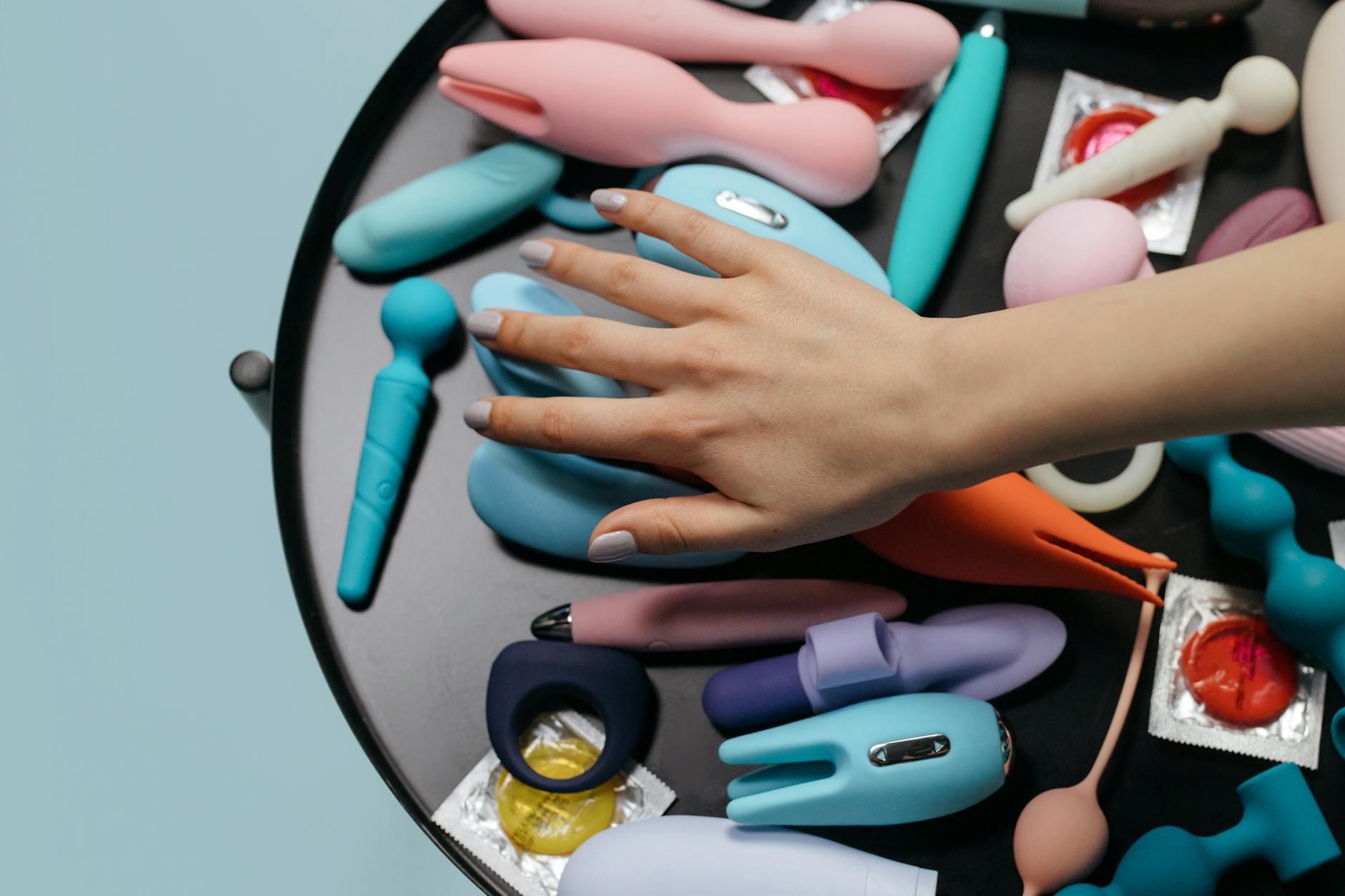
You started a new medication. Maybe it's birth control. Maybe it's an antidepressant, a blood pressure med, or a hormone replacement. And now when you use your lemon vibrator, something feels off. The sensation isn't as sharp. Arousal takes longer. Or maybe it hits differently altogether. Your first instinct is to assume you're broken. You're not. Your body is responding exactly as it should to a chemical shift.
Hormonal medications rewire the nervous system's response to stimulation. That's not metaphorical. That's actual neuroscience. And yes, lemon vibrators absolutely feel different when your hormones change.
Not all medications affect pleasure equally. Some have almost no impact. Others reshape the entire experience.
The heavy hitters:
SSRI antidepressants (sertraline, paroxetine, fluoxetine) are notorious for flattening arousal and delaying orgasm in about 40 percent of users. They don't kill desire in the brain, but they do dull the nervous system's responsiveness to stimulation. With a lemon clitoral vibrator, this often means you need longer sessions and higher intensity to reach the same sensation threshold you had before.
Combined hormonal birth control (pills with estrogen and progestin) shifts your baseline arousal across the month. Some people find they're less responsive to suction-style stimulation (like what a lemon vibrator provides) in the week after ovulation. Others notice the opposite. The variation matters because it's predictable. Once you map it, you can work with it.
Microdoses of hormones (the patch, the implant, the mini-pill) tend to have gentler effects than full pills, but sensitivity still changes. Testosterone replacement therapy actually increases clitoral sensitivity for most people, so if you've just started T, your lemon vibrator might feel stronger than before.
Blood pressure medications, thyroid meds, and some anxiety treatments have mild secondary effects on arousal. They're not the primary culprit, but they can compound other changes.
It's worth understanding the mechanism because it helps you stop blaming yourself.
Your clitoris has thousands of nerve endings. Hormones (especially estrogen, dopamine, and norepinephrine) control how sensitive those nerves are and how quickly they fire. When medications change your hormone levels or neurotransmitter balance, you're literally changing the volume dial on those nerve signals.
SSRIs, for instance, increase serotonin and often decrease dopamine and norepinephrine. Dopamine and norepinephrine are the chemicals that say "pay attention to this sensation, this feels good." Less of them means the lemon vibrator's stimulation registers as present, but muted.
With hormonal contraceptives, the synthetic hormones sit on the same receptors your natural estrogen would use. They're close enough to fool your body, but not identical. That means your tissue thickness, blood flow, and nerve responsiveness all shift slightly. A lemon clitoral vibrator that felt perfect last cycle might feel too broad or not precise enough this month.
Here's the thing nobody tells you: your body is still adapting. For the first 3 to 6 weeks on a new medication, sensation is in flux. By month 2 or 3, you'll have a clearer picture of your new baseline.
Don't panic and abandon your lemon vibrator in the first two weeks. Your nervous system is recalibrating. You're not getting worse at pleasure. You're getting used to a different chemistry.
If your lemon vibrator feels too subtle now, you have options that don't involve ditching it.
Start lower, go slower. If an SSRI has dulled sensation, begin your session 15 minutes earlier than you used to. Extend the warm-up. Use lower patterns on the lemon vibrator first. Your body will build arousal more gradually, but it will build. Patience here is not resignation. It's giving your nervous system time to register the signal.
Add external pressure. Some people find that combining the suction of a lemon vibrator with hand pressure on the surrounding area helps signal the sensation more clearly to the brain. The vibrator stays in place, but you're using body contact to amplify the signal.
Shift timing if you menstruate. If you're on hormonal birth control, map when your sensitivity is highest. For many people on combined pills, that's the first week after your period starts. Use your lemon vibrator during that window and you'll notice a real difference.
Layer stimulation types. A lemon vibrator excels at targeted clitoral suction, but you can enhance the experience by using your hands elsewhere, or incorporating a partnered touch. The brain integrates multiple signals. More input often means clearer sensation, even if the individual sensations are muted.
This is important: sometimes the timing makes us blame the medication when something else is actually happening.
Stress, sleep debt, relationship tension, and body image all suppress arousal independent of what's in your bloodstream. If you started a new medication and also started a stressful job, your dulled sensation might not be the pill. It might be your nervous system genuinely being too activated to relax into pleasure.
Similarly, some people use medication as a story they tell themselves when pleasure feels difficult. "It's the SSRI" is easier to sit with than "I'm not sure I want this right now" or "I'm not connecting with my partner." Check in with yourself. Is the medication actually the variable, or are you grieving a change that was already happening?
If sensation doesn't stabilize after 8 to 12 weeks, mention it to the doctor who prescribed the medication. Don't be vague. Say: "I've noticed my sexual response has flattened since starting this, and it's affecting my quality of life. Are there alternatives?"
For SSRIs, switching to bupropion (Wellbutrin) often restores arousal because it works on dopamine instead of serotonin. For birth control, different formulations have different effects. You might thrive on the pill but feel flat on the implant. Swapping is not failure. It's optimization.
For hormone replacement therapy, dosing can be adjusted. If you're on T and clitoral sensation feels overwhelming now, a dose adjustment might bring you back to center.
Hormone-related changes are not permanent. They're responsive to tweaks. You don't have to accept a muted experience if it's genuinely distressing.
Your capacity for pleasure hasn't gone anywhere. Your libido, your orgasm reflex, your responsiveness to the right stimulation. All there.
A lemon clitoral vibrator still works the way it always has. The suction pattern, the intensity, the specificity. That's unchanged. What's changed is the sensitivity of the receiving end. It's like turning down the volume on your ears, not changing what's being played. Once you accept that shift, you can work with it.
Most people find their new groove within a couple of months. You'll figure out what pattern, timing, and duration works best for your new body. And honestly? That discovery process often leads to more intentional, more pleasure-focused sessions than before.
Most people hit a new baseline within 6 to 8 weeks. SSRIs can take up to 12 weeks before the full flattening effect settles. Hormonal birth control often stabilizes in 2 to 3 cycles. The first few weeks are the most volatile. Don't make big decisions about your pleasure tools in week one.
Not exactly. Your nervous system has recalibrated. But sensation will feel normal and pleasurable once your body adjusts. It'll just be calibrated to your new chemistry. That doesn't make it worse. It's different, not diminished. Many people find they like the new baseline.
You could, but resist that impulse for the first month. Stronger isn't always better when sensation is muted. It can feel overwhelming instead of pleasurable. Try the adjustments listed above first. If after 8 weeks you're still not connecting, then exploring other toy styles makes sense. But rushing to a more intense toy often backfires.
Completely safe. SSRIs don't make vibrators dangerous. They just change how the sensation registers. You're not at risk of tissue damage or injury. You might just need more time or different pacing.
If the conversation is about medication affecting sexual response, yes. Be factual and brief: "I use vibrators and I've noticed my response to stimulation has changed since starting this medication." A good doctor won't shame you. They'll actually want to know because it helps them understand how the medication is affecting you.
That's a relationship conversation, not a medication conversation. Your partner's feelings about your arousal shifting are valid. Your medication side effects are also valid. These aren't in competition. You both deserve support. If this is straining your connection, that's when a couples therapist can help. The medication didn't break your sex life. The silence around the change did.