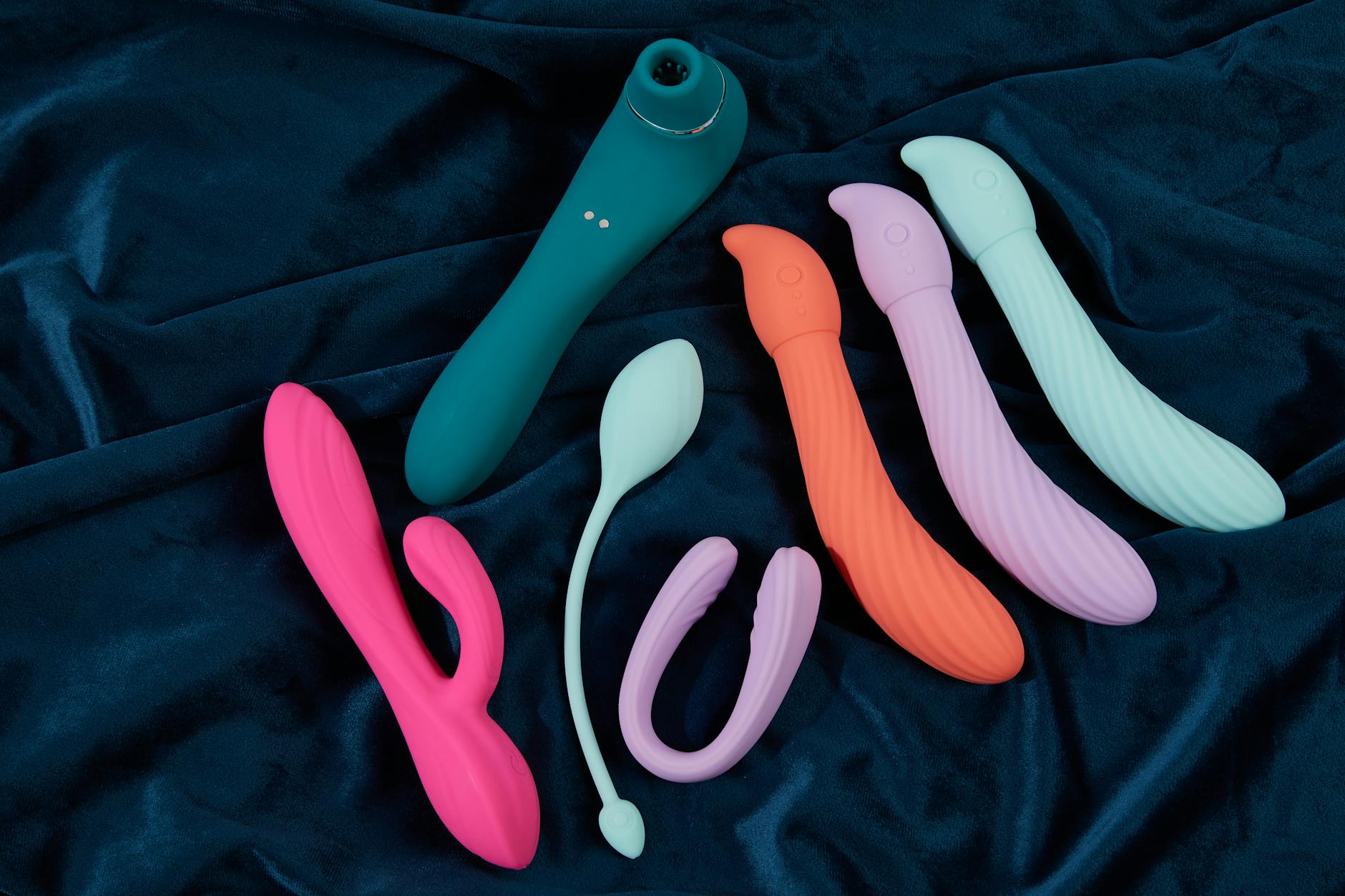
Your pleasure threshold shifts. Skin sensitivity rewires. Blood flow patterns change. A lemon clitoral vibrator that felt amazing at 25 might need a different approach now.
Here's what nobody tells you: your body at 30, 35, or 40 experiences pleasure differently than it did at 25. Not worse. Different. And if you're using a lemon vibrator or any clitoral vibrator without understanding those shifts, you might be fighting against your own physiology instead of working with it.
Your vulva gets more sensitive as you age, not less. But here's the twist: it's a different kind of sensitivity. The tissue thins slightly due to natural collagen loss and hormone shifts, which means the nerve endings sit closer to the surface. That sounds like it should feel more intense, right? Sometimes it does. But more often, it means you need a gentler introduction before going to full intensity.
Think of it like touching a bruise. The area is more reactive, but that doesn't mean you want someone pressing hard on it. With a lemon clitoral vibrator, this translates to starting on patterns 1 or 2 instead of jumping to pattern 4. Your nerves aren't weaker. They're just more accessible.
Tissue thickness also changes how air-suction devices work. The Lem and similar lemon vibrators create a seal through suction, and that seal feels different on tissue that's slightly less padded. Some people find it more direct and pleasurable. Others find they need to adjust the seal or use it for slightly shorter bursts. Neither response is wrong. Both are your body communicating what it likes now.
In your twenties, arousal was probably fast. You thought about something, your body responded, you were ready. By 30 and beyond, that instant response gets slower. Not broken. Slower.
This happens because blood vessel elasticity changes slightly with age, and cardiovascular fitness varies more than it used to. If you're running three times a week, your blood flow is probably better than someone sitting in an office all day. Both are normal. Both affect how quickly you're aroused and how intensely you respond to a lemon vibrator.
The practical upshot: you might need 10 to 15 minutes of warm-up instead of 5. That's not a flaw in your system. It's just how your system works now. And honestly, longer warm-up means you're more likely to have a better orgasm anyway. Patience pays.
Every person has a pelvic floor, and every pelvic floor changes over time. Childbirth, heavy lifting, athletic activities, just the natural effects of gravity and time all affect the pelvic floor's tone and flexibility. By your thirties, most people have more tension in this area than they did at 25. Not because something is wrong. Because you've lived a bit.
When your pelvic floor is tighter, an orgasm might feel more intense in some ways (more concentrated pressure) and less expansive in others. A lemon vibrator might trigger a quick, sharp orgasm instead of a rolling wave. Again, not better or worse. Different.
If you want to explore that feeling, pelvic floor relaxation actually matters more than Kegels once you hit your thirties. Kegels are great for some people, but if you already have a tight pelvic floor, you're essentially tightening an already tense muscle. Learning to actively relax it—through deep breathing, gentle stretching, or specific pelvic floor relaxation exercises—can transform how you experience a lemon clitoral vibrator.
You don't have to be menopausal for hormones to shift. Between 25 and 35, baseline estrogen levels gradually decline. It's subtle, not dramatic, but your tissues notice. The same lemon sucker might need slightly more lubrication now, even if you never needed it before. This isn't a sign of broken arousal. It's just biology.
If you're on hormonal birth control, coming off it, pregnant, nursing, or navigating other hormonal transitions, those changes compound. Your pleasure response is genuinely different at those moments, and recognizing that makes the difference between feeling broken and feeling informed.
Proactively using a good water-based lubricant when you reach for your lemon vibrator isn't optional now. It's hygiene for your tissues.
Here's what surprised most of my clients in their thirties: pleasure got better, not worse. The physical shifts actually mattered less than the mental ones.
By 30, most people have had enough sexual experience to know what they like. You're not performing for an imagined audience anymore. You're not trying to orgasm on someone else's timeline. You're less performative and more genuinely present. That mental clarity alone transforms how a lemon clitoral vibrator feels. You use it how you want, not how you think you should.
You also care less about things that used to matter. Your body's shape, the sound you make, whether you're taking too long. That mental shift—the permission to just experience pleasure without judgment—often results in stronger, more frequent orgasms. The vibrator doesn't change. Your relationship to it does.
Let's be specific about what stays exactly the same. Your capacity for pleasure doesn't decline. Your clitoral nerve density doesn't change. Your brain's ability to experience orgasm doesn't degrade. The chemistry of desire isn't broken. What changes is the speed of arousal, the texture of sensation, and the timing of response. All of that is work-able.
Many people report their most intense orgasms in their thirties or forties. Not because the vibrator got better. Because they finally figured out how to use it in a way that actually works for their body now.
If you've been using a lemon clitoral vibrator the same way since your twenties and something feels off, try these shifts.
Start with a longer warm-up. Spend 15 minutes on other kinds of touch before you introduce the vibrator. Your blood flow needs time to shift, your nervous system needs permission to settle into pleasure, and your tissues need time to prepare.
Begin on a lower pattern. That's not a compromise. It's an optimization. Patterns 1 through 3 on the Lem often deliver more nuanced sensation than jumping to pattern 6. You're not missing out by starting lower. You're actually accessing more of what the device can do.
Use lubricant, even if you didn't before. It's not a failure of arousal. It's a practical tool that improves sensation and protects your tissue. Water-based lubes work best with silicone devices and feel the most natural.
Notice where intensity lives now. Some people find that slower, rhythmic patterns work better than rapid pulsing. Some people discover they like the sensation for longer sessions, not shorter intense ones. This isn't about your vibrator changing. It's about your body teaching you something new.
If something genuinely hurts—not just feels uncomfortable or different, but causes actual pain—that's worth mentioning to a doctor or a sex-informed pelvic floor physical therapist. Pain with a lemon vibrator can point to a few fixable things: too much intensity too fast, inadequate lubrication, or an underlying pelvic floor tension that responds well to treatment.
If desire has completely disappeared, that's separate from pleasure sensation and worth exploring with a partner or a therapist. Desire comes from your brain, your relationship, your stress levels, your health, and yes, sometimes your hormones. A vibrator won't fix low desire. But understanding what's behind it will.
If you're just noticing that the lemon clitoral vibrator feels different than it used to, that's not a problem. That's information. Your body's always talking. After 30, we finally tend to listen.
No. Many people report their most satisfying experiences with clitoral vibrators in their thirties and forties. What changes is the approach, not the outcome. Starting at a lower intensity, using lubrication, and allowing longer warm-up time often results in better experiences, not worse ones.
Tissue composition shifts slightly over time due to natural collagen changes and hormone fluctuations. Lubrication protects the tissue and improves sensation. It's not a sign that something is broken. It's just what your body needs now to feel its best.
Absolutely. Hormonal methods change baseline estrogen and androgens, which affect tissue thickness, lubrication, and arousal speed. If you've just started, stopped, or switched birth control, your pleasure response will genuinely be different for a while. This stabilizes over a few cycles.
Completely normal. Pelvic floor tone, blood flow patterns, and tissue sensitivity all shift with age. An orgasm might feel more concentrated, last longer, or arrive more slowly. None of these variations are problems. They're just what your body is doing now.
Not necessarily. Most of the time, the solution is adjusting how you use it. Start lower, use more lube, take longer warm-up. If you genuinely want to explore something different, that's fine too. But the lemon vibrator itself probably isn't the issue.
Yes, it will continue to shift in subtle ways. But with each shift comes the chance to learn something new about what feels good. Most people find that the more they understand their own pleasure, the better their experiences become. Understanding beats ignorance every time.
Your body at 35 is not your body at 25. That's not a tragedy. For most people, it's an upgrade. You know yourself better. You communicate better. You're less apologetic about what you want. And yes, the physical experience is different. But different usually means richer, more intentional, and ultimately more satisfying.
The lemon vibrators, lemon clitoral vibrators, and lemon suckers at Hello Nancy are built to work with your body, not against it. As your body changes, so does how you use them. That's not a limitation. It's the whole point.