How to Use Lemon Vibrators When Rebuilding Intimacy After Infidelity
Sexual trust doesn't rebuild overnight. Here's how couples use clitoral vibrators as a bridge back to pleasure, without forcing vulnerability or pushing through pain.
It doesn't just hurt feelings. It atomizes the entire physical experience. The body remembers betrayal before the mind does. Touch that used to feel safe now triggers a kind of vigilance. Pleasure stops being something you surrender into and becomes something you police, measure, doubt.
Many couples I work with come to me saying they want to "get past this" by having more sex, as if volume could rebuild trust. It can't. What actually works is slower, more deliberate, and often requires tools that remove some of the charged emotional weight from the interaction. Lemon vibrators, used intentionally, can be exactly that tool.
Infidelity is unique because it violates the story the two of you agreed to tell about your bodies together. It's not just emotional betrayal. It's a repudiation of the deal that your pleasure, your sexuality, your desire was supposed to be tethered to this person. When that narrative breaks, so does your ability to relax into touch.
Research on couples recovering from infidelity shows that the couples who rebuild sexual connection fastest are the ones who reframe sex as collaborative problem-solving, not as validation or reassurance. That sounds clinical. What it actually means: you're not trying to prove anything to each other. You're both experimenting together with what feels good now, as opposed to what felt good before the rupture.
That's where lemon clitoral vibrators enter the picture.
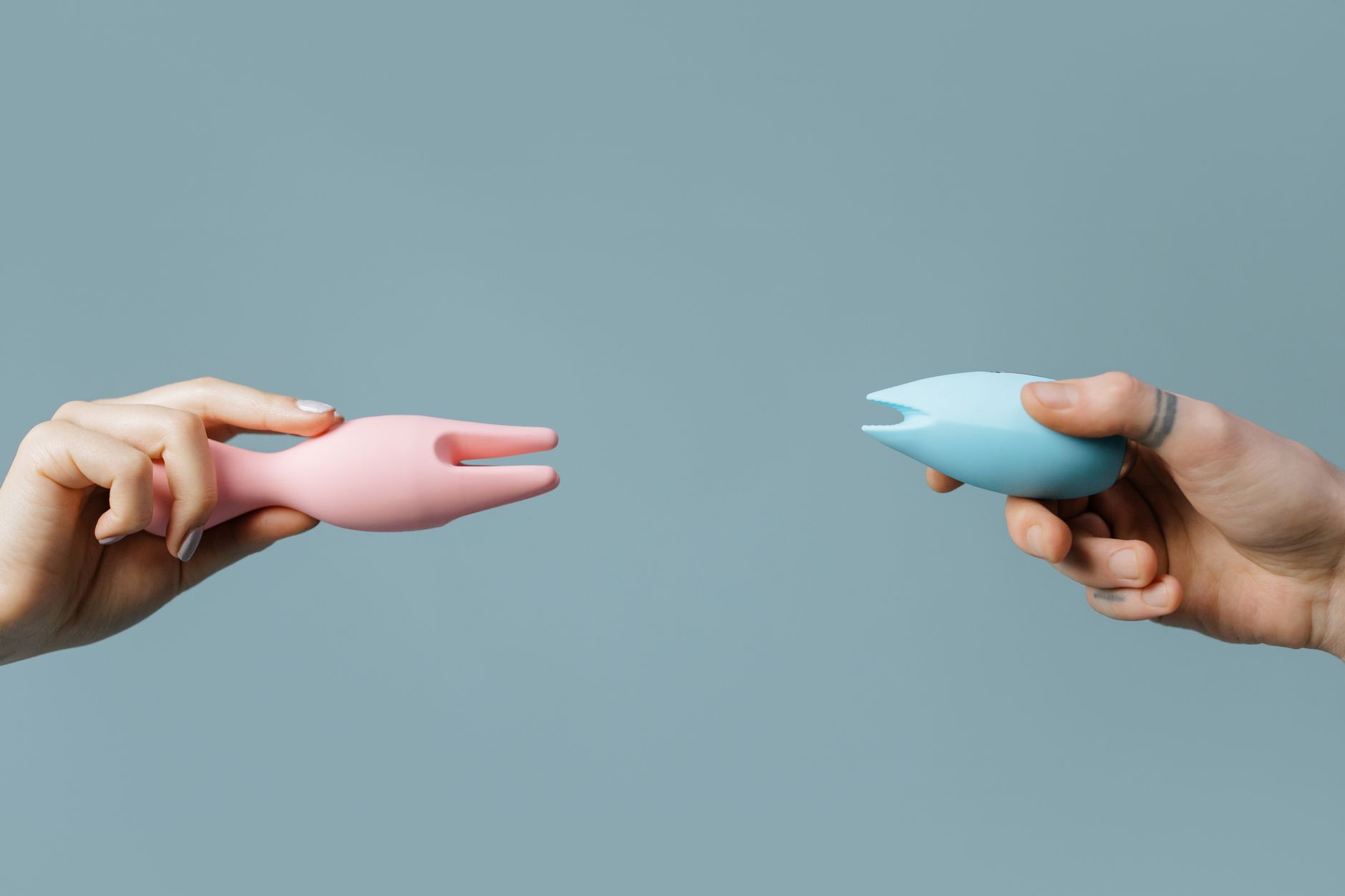
Lemon vibrators work differently than traditional vibrators. Instead of rapid-fire vibration, they use rhythmic suction that mimics the sensation of oral stimulation. That matters here because suction-based stimulation is inherently less about performance and more about sensation.
When you're using a lemon vibrator together, the focus shifts from "Am I doing this right for you?" to "Does this pattern feel good right now?" That distinction is everything. The person with the vibrator isn't performing expertise. They're not proving their desire or attempting to restore their value through skill. They're simply creating a sensation and observing whether the other person wants more, less, or something different.
That removes a layer of the emotional freight that infidelity loads onto sex.
You cannot just produce a vibrator mid-intimacy and expect this to land well. That will feel like ambush. The conversation needs to happen outside the bedroom, when you're both dressed and not in a vulnerable state.
Here's what works: "I've been thinking about ways we could explore pleasure together that feel less like we're trying to prove something. I found information about lemon vibrators and I think they might help because neither of us is performing. We're just exploring sensation together. Would you be open to that?"
That acknowledges the elephant. It frames the tool as collaborative, not as a fix for the injured party's "problem." And it asks for genuine consent rather than assuming.
If your partner says no, don't argue. That's information. You might come back to it in a few months. But forcing this tool into a relationship where there's still active resistance will backfire.
Not sex. Not foreplay leading to sex. Just time to explore the tool without the pressure of orgasm as the endpoint.
You might start fully clothed, just holding the lemon vibrator and looking at it together. That sounds embarrassingly simple. It works. Then you might move to underwear on, testing it over fabric. Nothing about this is sexy in the traditional sense. It's clinical, which is the point. You're building familiarity without the weight of performance.
If you're the person being touched: your job is feedback. Not performance feedback (don't fake anything). Actual sensation feedback: "That intensity feels good" or "That pattern is too fast" or "I need a break." This creates a feedback loop that, over time, teaches both of you that pleasure is possible without the narrative of infidelity hovering over it.
If you're the person using the lemon vibrator: your job is listening, adjusting, and staying present. You're not trying to prove anything. You're simply following their actual feedback, not your anxious interpretation of what you think they need.
Trust in sex rebuilds in layers. You don't jump from clinical exploration straight to confident, uninhibited pleasure. The middle ground is where most couples live for months, and that's normal.
Week one: exploration with no expectation of orgasm. Week two or three: adding genital contact if both people want it, still with the vibrator as the primary source of stimulation. Week four and beyond: maybe incorporating the vibrator into partnered touch, or using it while your partner is inside you, or whatever emerges from what the two of you actually want.
The lemon vibrator's advantage here is that it gives you a neutral object to focus on. You're not reading your partner's face for signs of desire. You're not performing your own desire as reassurance. You're both watching the same tool and responding to the same feedback.
They will happen. You'll be using the lemon vibrator together and suddenly flashbacks hit, or tears, or anger. This doesn't mean you're failing. It means your nervous system is processing.
When it happens, stop. Don't push through. Don't try to distract into pleasure. Just stop, breathe, and ask: "Do you want to keep going, take a break, or talk?" Make space for whatever answer comes.
If you're the injured partner having the flashback: you don't owe performance or a "brave face." Your body is telling you something. Listen to it.
If you're the person who caused the injury: you don't get to make this about your guilt. Your partner's activation is not about you. Stay present with them without needing them to comfort you.
This is where a couples therapist becomes essential if the wound is still raw. Sexual tools help. They don't replace actual relational repair work.
Traditional vibrators require more of a performance mindset. You're calibrating rhythm, speed, angle. The lemon vibrator's suction patterns are preset. You're choosing between a few options and responding to feedback. That reduces cognitive load on both of you, which matters when you're already emotionally exhausted.
The physical sensation itself matters too. Suction mimics something intimate (oral sex) without the vulnerability of penetration or the performance anxiety of partnered touch. It's a middle ground that feels contained but connected.
If either of you is having intrusive thoughts during sexual contact, or if anger is escalating rather than gradually settling, a sex therapist trained in infidelity recovery can help you integrate the tool more effectively. They can also help you identify what patterns you both want to protect this time around.
Lemon vibrators aren't a fix for a broken relationship. They're a bridge that helps you cross the chasm that infidelity creates. The actual work of rebuilding is about honesty, accountability, and time. But this bridge can make that journey feel less isolated.
Yes, if you're using it to skip over the actual conversations about what happened and why. The tool only works if you're also doing the relational work. Talk about what the infidelity meant, what was missing, what both of you need going forward. The vibrator is a companion to that conversation, not a replacement for it.
That's real feedback. Some people have resistance to toys for reasons that have nothing to do with the infidelity. Don't push. Instead, explore what kind of touch would feel collaborative and low-pressure to both of you. Sometimes it's manual stimulation, sometimes it's extended foreplay without the goal of orgasm, sometimes it's being in the same room while each person explores alone. The tool matters less than the principle: shared exploration without performance pressure.
Depends entirely on the relationship. Some couples rebuild in six months. Others take years. There's no timeline where you're "behind." You're done when both people feel genuinely open to pleasure together again, not when some external standard says you should be. Expecting yourself to bounce back quickly is just another way of performing for your partner.
Probably not, at least not immediately. The body remembers context. A pleasure that felt safe with one narrative now feels complicated. That's okay. You're building new associations, new patterns. It might look totally different from what you had before. That's not a loss. It's evolution.
It might feel that way at first. But consider this: a vibrator is actually removing some of the performance pressure from partnered touch. It's not replacing intimacy. It's creating a container where intimacy can happen without the weight of proving something. Touch will return. But it needs room to breathe first.
Stop immediately. Don't try to power through or comfort with sex. Sit with what's happening. If triggers are constant, that's a signal that the relationship needs more direct therapeutic support before sexual reconnection can happen. That's not failure. That's information.
Infidelity fractures something that feels irreparable. But couples do rebuild. They rebuild slowly, with honesty, sometimes with help, and often with patience that feels impossible until you're living it. Lemon vibrators won't heal the wound. But they can help you both remember that pleasure is still possible on the other side of this.
If you're in the thick of recovery and want to explore tools and approaches that feel right for your specific situation, reach out. Rebuilding intimacy is possible.