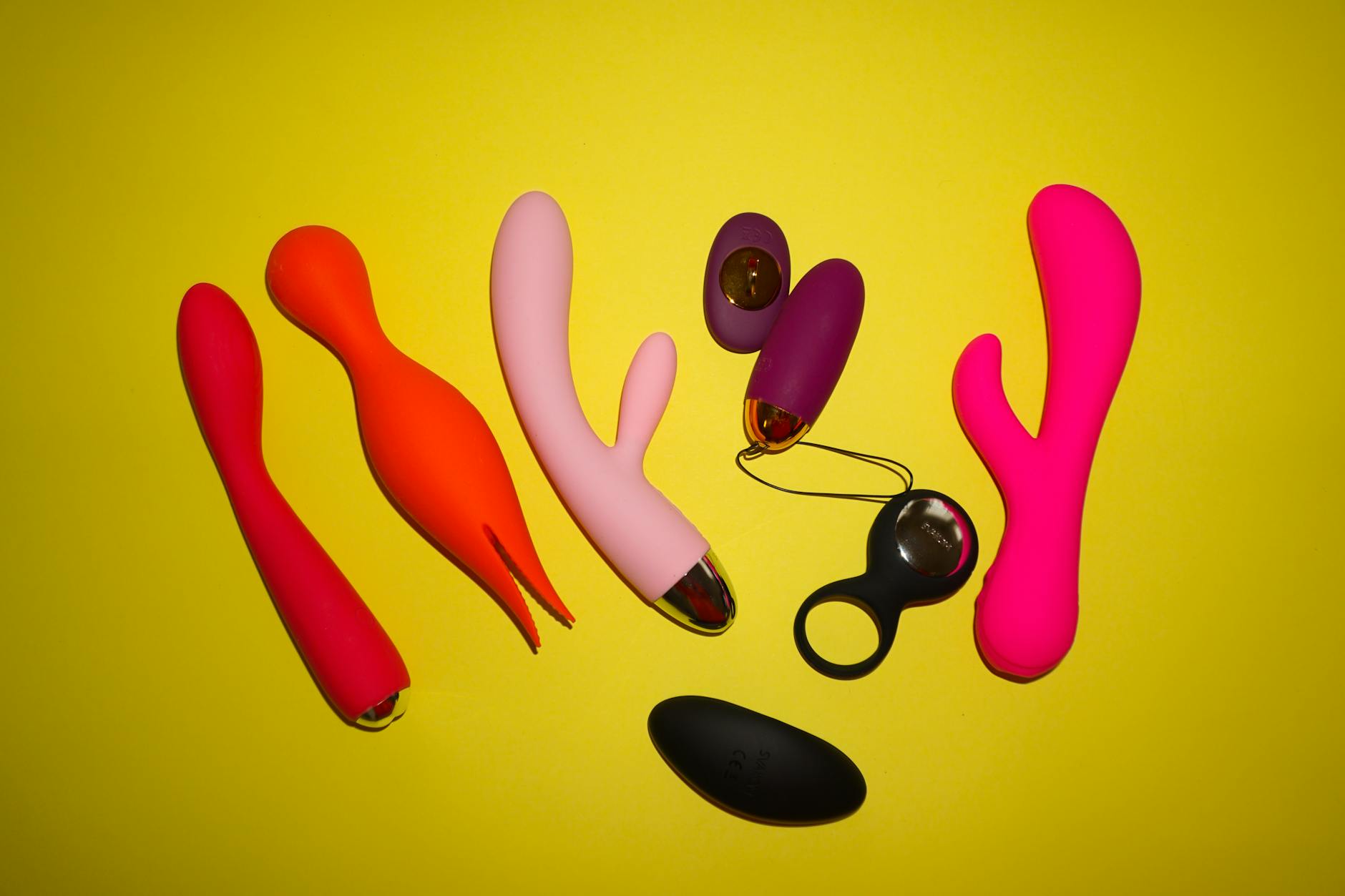
Non-monogamy and sex toys aren't new. But the conversation about using lemon clitoral vibrators specifically, across multiple relationships, usually gets skipped. People assume you just bring the same Lem into every situation and move on. That's exactly wrong. The real work is before, during, and after. It's about boundaries, communication, and honestly understanding what you want from each partnership.
Here's what I've learned from working with hundreds of people navigating open and non-monogamous relationships. The couples who make lemon vibrators work across multiple partnerships are the ones who talk first, experiment second, and adjust constantly. The ones who don't? They end up with resentment disguised as logistics.
Before the vibrator enters the picture, you need clarity on three things.
First: Does everyone know a vibrator is part of your sexual expression? I'm not asking if you've mentioned it casually. I mean, has each partner explicitly said yes to this? The answer matters because ignorance isn't consent. If you're using a lemon vibrator with Partner A and keeping it secret from Partner B, you're not protecting anyone. You're making a choice for them without their voice in it.
Second: Are there specific toys for specific relationships, or do you share one? This sounds mundane until you realize it's actually about whether your pleasure belongs to you or to the relationship. Some people in open relationships keep one Lem for themselves and use it solo or with whoever they want. Others have separate toys for different partnerships. There's no wrong answer, but not deciding is a problem.
Third: What's the hygiene and disclosure protocol? If you're using the same lemon vibrator across partners, cleaning between uses isn't optional. It's non-negotiable. Water-based lube, warm water, and toy cleaner. If you're not going to do that, you need a separate toy for each partner. Full stop.
Openness means different things to different people. Some folks want to know exactly what their partner is doing with whom. Others prefer "don't ask, don't tell." Neither is wrong. But mixing these approaches without talking is how resentment starts.
Here's what I recommend: Ask your partners directly what they want to know. Some people find it hot to know you used a lemon vibrator with someone else. Others find it threatening. Some are completely indifferent. Those are three completely different conversations, and they all matter.
The boundary that trips up most people is around sensation sharing. You have an amazing experience with one partner using a clitoral vibrator. You want to recreate that with another. That impulse is natural. But if Partner A felt special about "our thing" and then Partner B gets the exact same experience, Partner A often feels less special, not more connected. Talk about this before it becomes a wound.
Three different approaches, depending on your structure.
Solo exploration plus partnered use: You have your own lemon vibrator for solo pleasure and exploration. When you're with partners, you might use it with them or prefer not to. This keeps your self-pleasure separate from relational pleasure, which some people find helpful for maintaining individual autonomy.
Shared toy, shared boundaries: You and all partners know about the one Lem. Everyone's agreed it's part of the package. You clean it between partners. You might have a designated person who keeps it, or you share custody. What matters is everyone's explicitly consented to this specific arrangement. How to Choose Between Lemon Vibrators and Other Clitoral Toys can help if you're deciding whether the Lem is right for your dynamic.
Individual toys for individual relationships: Each partnership has its own clitoral vibrator. Partner A gets one experience with their Lem. Partner B gets a different experience with theirs. This prevents comparison and keeps pleasure distinctly tied to the relationship itself. It's more expensive but often cleaner emotionally.
My biggest piece of advice: Have a scheduled check-in about this stuff. Not during sex. Not when there's conflict. Literally calendar a 30-minute conversation every month or every few months where you talk about how lemon vibrators are working across your relationships.
Ask things like: Does anyone feel neglected? Is the toy creating comparison or insecurity? Are boundaries still working, or do they need adjusting? Has anyone's comfort level shifted?
Then actually listen. Not to fix or defend. Just to understand what each person needs.
One scenario I see frequently: Person A assumes Partner B "doesn't care" about vibrators because B hasn't brought it up. So A uses a lemon vibrator freely with other partners. Months later, Partner B mentions they actually felt weird about it and never said anything because they didn't want to seem possessive. Suddenly A feels guilty, B feels unheard, and the toy becomes a symbol of bigger communication problems.
This is 100% preventable with one direct conversation. "Hey, I'm thinking about using a vibrator with other people. How do you feel about that?" Gets you actual information instead of assumptions.
Non-monogamy requires more communication than monogamy, not less. Lemon vibrators are just one small part of that. But they matter because they're concrete. You can point at a toy and have a real conversation instead of dancing around jealousy or insecurity.
Somebody's feeling threatened. Someone's feeling less desired. Someone wants the Lem included in sex but a partner doesn't. These aren't failures. They're information.
If you hit discomfort, go back to basics: What specifically is the problem? Is it about the toy itself, or is it really about reassurance in the relationship? Is someone feeling like they're not enough? That's not a toy problem. That's a connection problem. The vibrator just made it visible.
Sometimes the answer is "we pause using the toy with other people for a while." Sometimes it's "we get you your own Lem so this feels less shared." Sometimes it's "we need to talk about feeling less desired in this relationship, and the toy is just the symptom."
Each answer is valid. The important thing is that you're answering together, not ignoring the discomfort and hoping it goes away.
Honestly, non-monogamy can make pleasure better. You're not relying on one person to meet all your needs. You have space to explore different aspects of sexuality with different partners. A lemon vibrator can be part of that freedom.
The couples I've worked with who make this work well are the ones who actively choose non-monogamy, not the ones who default into it. And they're intentional about pleasure. They're not just fitting a vibrator into a relationship. They're building relationships where pleasure, honesty, and respect are all on the same level.
I know I mentioned this, but it's worth saying again: If you're using one toy across partners, clean it. Silicone vibrators like the Lem can handle warm water and a toy cleaner designed for silicone. Takes five minutes. Do it every single time. Your partners deserve that basic care.
Yes. This isn't about drama or transparency theater. It's about respect. If you're using a lemon vibrator with multiple people, everyone involved should know who else is involved. This is the baseline for informed consent.
Not if you're both okay with it and you're cleaning it. Weird is subjective. What matters is agreement. Some people find it hot. Others prefer separate toys. Both are fine, but you need explicit yes from everyone involved.
Then you have a conversation about why. Is it jealousy? Insecurity? A boundary they genuinely need? Sometimes it's a deal-breaker for them. Sometimes it's something you can work through together. Sometimes you adjust your structure. But you listen first.
It can be a tool for that, but it's not magic. Connection comes from communication, vulnerability, and time. The vibrator just facilitates pleasure. The closeness has to be built separately.
Direct and honest. "I've been using a lemon vibrator, and I want to be transparent about it. Here's what I'm doing. How do you feel about that?" No apologies, no justifications. Just facts and openness.
Unpack that with them. Often the vibrator isn't the real issue. It's fear that you'll enjoy solo pleasure more than partnered sex, or that you want something they can't provide. Those are fair feelings worth talking about. A skilled therapist who understands non-monogamy can help here if you get stuck.
Lemon vibrators in non-monogamous relationships work when honesty comes first. Boundaries second. Communication third. Everything else, including pleasure, flows from those three things. You're not managing a toy. You're managing relationships. The vibrator is just the thing that makes the conversation concrete.
If you're navigating open or non-monogamous dynamics and want personalized support, reach out to us. We're here to help you build the relationships and pleasure practices that actually fit your life.