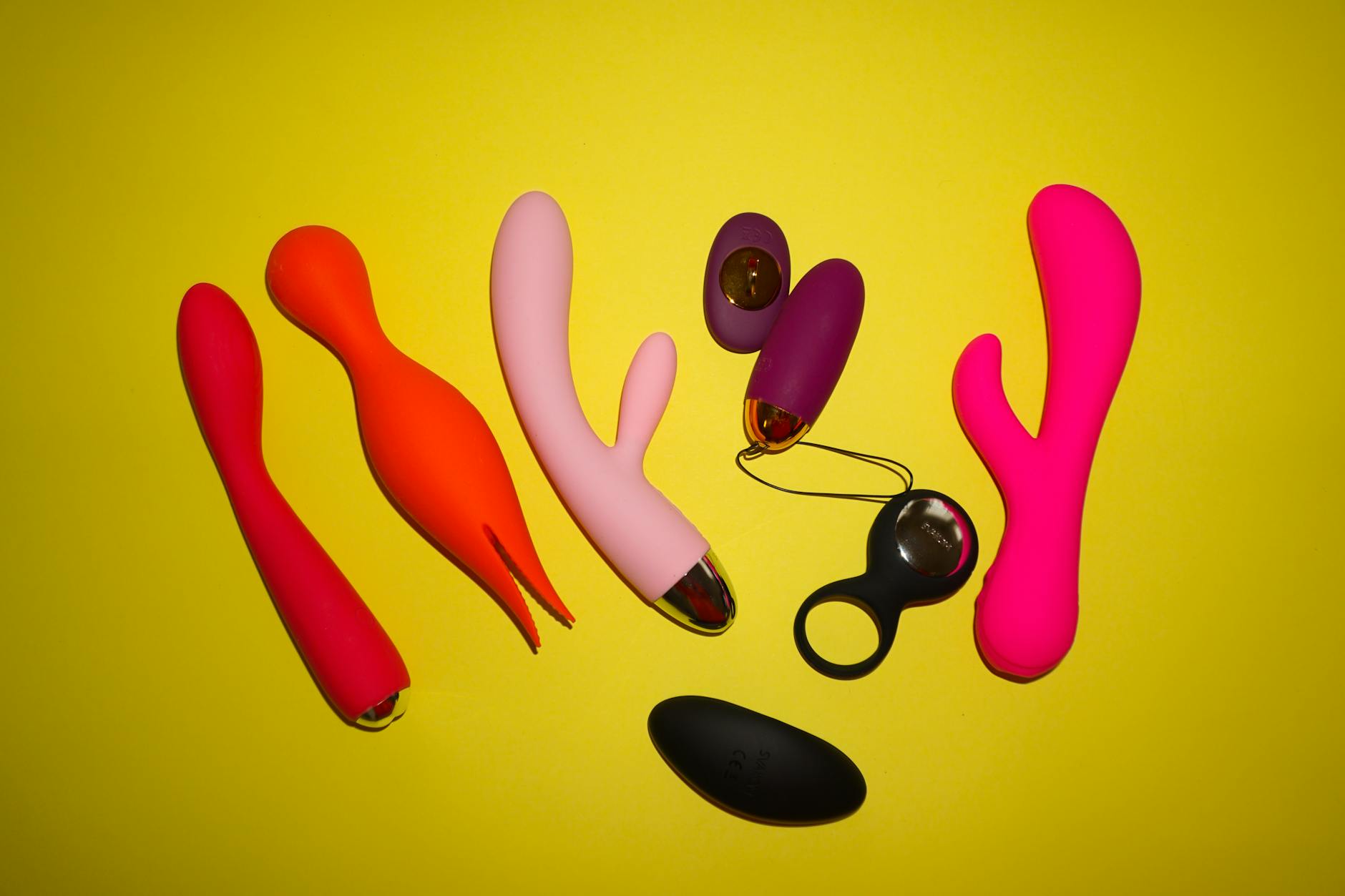
If direct vibration feels overwhelming, too intense, or even painful on your clitoris, you're not broken. You're not "too sensitive." Your body is simply telling you what it actually needs. And here's the thing: lemon vibrators, with their suction-based design, were literally built for this.
The difference between traditional vibration and suction is significant. Suction disperses pressure across a broader surface area rather than concentrating it in one spot. That's why so many people with sensitive clitoral tissue find that a lemon clitoral vibrator works where other toys don't.
There are a bunch of reasons your clitoris could be extra sensitive right now. Some are temporary. Some are just how your body is wired.
Hormonal shifts. If you're on a different birth control, approaching menopause, or even just in a different phase of your cycle, clitoral sensitivity changes. Estrogen and progesterone affect tissue thickness and nerve sensitivity. Lower estrogen means thinner tissue and sometimes increased irritation from direct pressure.
Overuse or friction. If you've been using vibrators with concentrated, intense stimulation for a while, your tissue can get fatigued or irritated. This is especially common with traditional bullet vibrators that focus all their force on a tiny area.
Underlying conditions. Vulvodynia, clitoral nerve compression, or other pelvic conditions can make the clitoris hurt rather than feel good. If pain is sharp or ongoing, talk to a gynecologist or pelvic floor specialist. That's not something to work around alone.
Skin sensitivity or irritation. Sometimes the issue isn't the vibration itself. It's friction against delicate skin, reactions to toy materials, or even laundry detergent residue. Switching to a gentler approach gives you space to figure out what's actually bothering you.
The Lem Sucker uses air-pulse technology instead of traditional oscillation. That means it's pulling and releasing rather than buzzing. For sensitive tissue, this distinction changes everything.
When you use a lemon vibrator on lower settings, you're getting a rhythmic suction pattern that stimulates without the direct friction of a vibrating tip. It feels less aggressive. The sensation spreads across the clitoral complex rather than hammering one spot.
You can also control depth. By adjusting how much of your clitoris sits inside the opening, you control intensity. Want less sensation? Barely insert it. Want more? Let it cup fully. That flexibility is something traditional vibrators can't offer.
If you're coming to a lemon vibrator because direct vibration has been painful or overwhelming, start at pattern one or two. Not pattern five. Not when you "feel ready." Bottom shelf, every time.
Here's the rhythm that actually works: spend 5-10 minutes on the lowest setting. Just notice what it feels like. You might feel nothing dramatic. That's fine. Gentleness isn't supposed to feel like a fireworks show. It's supposed to feel pleasant and building.
Many people assume they're "not responding" if the orgasm doesn't arrive in the first ten minutes. That's not a failure. Gentle stimulation takes time. Your nervous system needs permission to settle in and feel things slowly. Impatience will pull you right back into tensing up, which defeats the whole point.
One thing I recommend to clients who've had clitoral pain: redirect some stimulation away from the clitoris itself. This sounds counterintuitive, but it works.
Try using your lemon vibrator on the labia, around the clitoral hood, or on the inner thighs for part of your session. The pleasure radiates inward. Your clitoris gets indirect stimulation while you avoid direct contact on the sensitive tissue. Over time, this often helps the clitoris desensitize and build tolerance.
You can also layer in other forms of touch. A partner's hand, your hand, or light pressure from a wand vibrator on nearby areas. The combination of different sensations can actually reduce the intensity of any single sensation while increasing overall pleasure.
Don't skip lube when using a lemon vibrator on sensitive tissue. Even though suction-based toys don't rely on friction the way vibrators do, lubrication reduces any drag and makes the sensation feel more diffuse and comfortable.
Water-based lube is your safest bet here. It's compatible with silicone toys, easy to reapply, and won't degrade the material. Apply enough that the area feels slick but not so much that the suction breaks constantly.
Some people find that reapplying lube every few minutes, even if they don't "need" it, helps them stay relaxed. The ritual of pausing to add more signals to your nervous system that you're in control and can stop whenever.
If your goal is to eventually use slightly higher intensities, you can do that. But it takes actual time. Not days. Weeks, sometimes months.
The way to build tolerance safely is to increase intensity so gradually that you barely notice the change. Spend a full week at pattern two. Then move to a setting that's barely different. Stay there for another week. Your tissue adapts. Your nervous system adapts. Your pleasure threshold shifts.
This is not the same as powering through pain. If something hurts, stop. Pain is information. It's telling you that intensity isn't right for your body right now, and that's completely legitimate.
When you have a sensitive clitoris, how you position your body changes the sensation profile. If you're lying flat on your back with your legs straight, you're typically engaging your pelvic floor muscles without meaning to. That tension amplifies sensation and often makes things feel more intense or uncomfortable.
Try lying with your knees bent and your legs relaxed open. Or sitting upright with your weight on your hands behind you. Or lying on your side with one leg bent. Different positions change the angle of contact and which muscles are engaged.
Many people with sensitivity find that positions where they can consciously relax their pelvic floor are game-changers. That's one reason why lying back in a supported way works so well for some and sitting propped up works for others. Experiment without pressure.
If your clitoral sensitivity came on suddenly or is accompanied by pain that doesn't improve with gentler tools and more time, see a healthcare provider. A gynecologist or pelvic health physical therapist can rule out things like infections, skin conditions, or nerve issues that might need treatment.
If you've been experiencing ongoing clitoral pain or numbness, talking to a therapist who specializes in sexual health can help too. Sometimes our pain and pleasure responses are wrapped up in stress, past experiences, or relationship dynamics. A professional can help you untangle what's actually happening in your body versus what your nervous system learned to believe.
The Lem Sucker is a genuinely supportive tool for sensitive tissue. But it's not a replacement for care if something's medically off.
Not if you're using lower intensities and listening to your body. Suction-based stimulation is actually gentler on tissue than traditional vibration because it doesn't rely on friction. The risk comes if you override pain signals and push into intensity that hurts. Stay below the threshold where it becomes uncomfortable, and you're not doing damage. You're giving your clitoris exactly what it needs right now.
That varies wildly depending on what's causing it. If it's hormonal and temporary, you might feel different in a few weeks. If it's from overuse, giving yourself time with gentler tools for a few weeks usually helps. If it's tied to a medical condition or trauma, it could take longer. There's no universal timeline. The important thing is that improvement is possible, and consistent use of lower-intensity tools like lemon vibrators gives your tissue room to heal.
The basic principles don't change, but communication does. Tell your partner that you need lower intensities and longer warm-up time. If they're the one using the toy, let them know your sensitivity threshold and give them permission to go very slow. Many people find that partnered use with a sensitive clitoris works best when the receiving person is in control of the pace and depth, at least until you know what feels good.
Start at pattern one or two. That's not a temporary thing. That might be your setting for a while, and that's completely fine. You're not working toward a "harder" setting. You're finding what feels genuinely good for your body. If pattern one ever stops feeling right, you can experiment. But there's no achievement unlocked for moving to higher numbers.
Both. Some people have always had sensitive tissue and always will. That's just their anatomy. Others experience temporary sensitivity from hormones, medication, or stress, and it shifts back. And some people experience periods of sensitivity and periods of relative numbness as they age or their life circumstances change. None of those paths are wrong. Lemon vibrators work across all of them because you can adjust to whatever your current reality is.
Absolutely. The suction mechanism of a lemon vibrator actually creates a different sensation profile than traditional vibration, so it often helps when vibration alone feels boring or ineffective. You might find that the combination of suction and gentle pattern variation creates sensation where straight buzzing didn't. Many people find that taking a break from intense stimulation and returning to a lemon vibrator on moderate settings reawakens sensation over time.