Let's be real: when you're burnt out, sex feels like another task on an impossible list. Your body isn't broken. Your nervous system is in survival mode, and desire is the first thing to go. Cortisol, the stress hormone, actively suppresses testosterone and dopamine. Your brain is literally telling your body that pleasure is a luxury you can't afford right now.
The good news is that this kind of low libido responds beautifully to gentle, body-centered pleasure work. A lemon vibrator, used with intention rather than pressure, can actually help signal to your nervous system that it's safe to relax again.
Your libido isn't separate from your stress load. It's a direct read on your nervous system state. When you're running on fumes, blood flow redirects from the pleasure centers of your brain to the survival centers. Your sympathetic nervous system (the fight-or-flight branch) is always on. Your parasympathetic nervous system (rest-and-digest) barely gets a turn.
This is why willpower doesn't work. You can't think yourself into arousal when your body is genuinely afraid it might collapse tomorrow. The solution isn't more motivation. It's nervous system reset.
Stress also flattens emotional intimacy. When you're burned out, you withdraw. You're numb. That numbness is partly physical (hormonal suppression) and partly protective (your psyche shutting down nonessential feelings to conserve energy). Both need attention.
Before you touch a lemon vibrator, you need this: it's completely okay that you don't want sex right now. Seriously. This is not a moral failing. This is a signal that something in your life needs to change.
Many people try to use pleasure devices as a bypass. "I'll use the vibrator and jump-start my desire." But if you're genuinely depleted, forcing arousal is just another form of pressure on an already-depleted nervous system. It backfires.
The path forward is softer. You're not trying to want sex. You're trying to remember that your body can feel good without it being productive or goal-oriented. That's the actual first step.
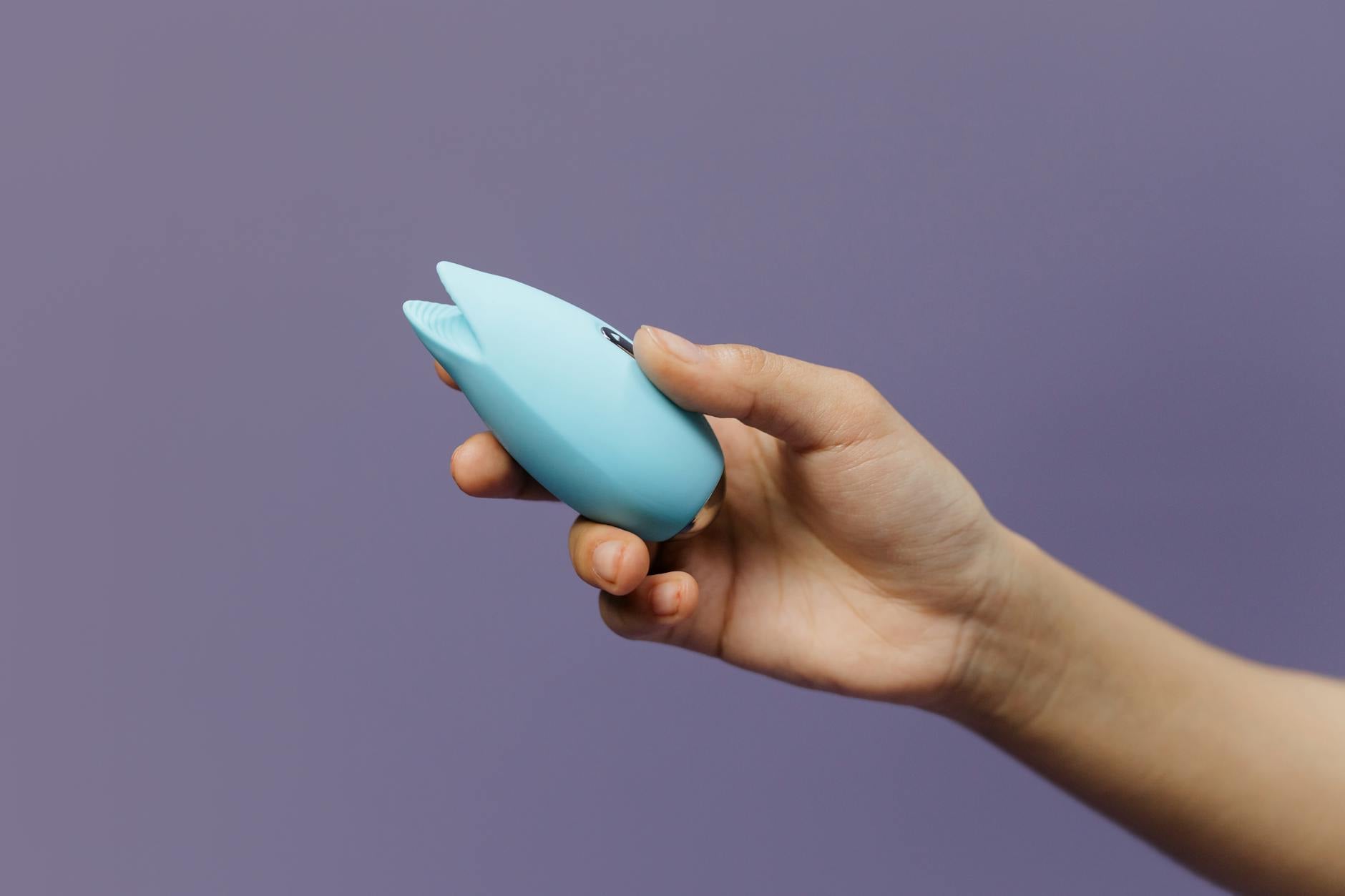
Here's where lemon vibrators become genuinely useful. Unlike penetrative toys or high-intensity devices, a quality clitoral vibrator like the Lem allows for what I call "sensory reintroduction." You're not working toward an orgasm. You're just noticing what feels good.
Set a real boundary: no performance expectations. No "I should orgasm." No timing yourself. Pick a day when you have maybe 30 minutes of genuine privacy. Not squeezed between tasks.
Start clothed. Yes, really. Use the lemon vibrator over fabric first. Notice the sensation without moving toward anything. Many people find that this removes the pressure immediately. Your brain stops interpreting the experience as "I have to get turned on" and starts interpreting it as "this feels interesting."
After a few sessions, you might move to skin-to-skin contact. You might not. Either way, you're sending a signal to your nervous system: pleasure is available, and it's safe.
Use a lower intensity setting. If your Lem has multiple patterns, start on pattern 1 or 2. When you're stressed, high intensity can feel overwhelming rather than good. Gentleness is not settling. It's actually what your system needs.
Low libido from burnout often means you've lost touch with small joys entirely. Not just sex. Everything. Food tastes fine. Music is background noise. You exist but don't really inhabit your body.
Starting to use a lemon vibrator is one tiny thread in a bigger tapestry. It works better when you're also rebuilding pleasure in other ways. A shower that's actually warm and long. A walk where you're not listening to a podcast (just being outside). Touch with a partner that isn't sexual at all. Laughing at something stupid.
When you rebuild sensation across your whole life, desire naturally follows. It's not a separate project.
This is crucial and often goes unspoken. If you're partnered, your low libido is affecting them too. But if they interpret it as "you're not attracted to me" or "our relationship is failing," you've now got emotional disconnection on top of stress.
The conversation that actually helps: "My burnout has flattened my desire, and that's a nervous system thing, not a us thing. I'm going to spend some time reconnecting with my own pleasure, and that might help me feel more available for us later. I need you to understand that this is about my healing, not about you."
Then actually follow through. The person who loves you will usually respond to genuine honesty better than to you forcing yourself to have sex you don't want.
If you find yourself using a lemon vibrator solo and it feels good, you might eventually want to involve your partner. That's okay. Or you might not. That's also okay. The goal isn't to return to your old sexual baseline. The goal is to feel like yourself again.
If your stress is clinical depression or anxiety, a vibrator alone isn't the answer. You need a therapist. If your burnout is coming from a job that's genuinely unsustainable, you might need to make bigger changes than pleasure work can fix.
But if your low libido is situational stress (a brutal project deadline, caring for an aging parent, a major life transition), reconnecting with your body through sensation can genuinely help shift your nervous system state.
I often recommend to my clients that they do both: therapy for the stress itself, and gentle pleasure practices to signal to the nervous system that it's safe to relax. They're not competing approaches. They're complementary.
You won't feel like yourself again in two weeks. But you might notice something shifts in four to six weeks of consistent, gentle pleasure practice. You might feel a tiny uptick in baseline desire. You might feel less numb. You might actually want to be touched again.
That progression isn't linear. Stress spikes will pull you back sometimes. That's normal.
Many people find that once they've reconnected with solo pleasure, partnered sex becomes less fraught because they're not entering it from a place of obligation. They're choosing it. That shift is everything.
Remember: this isn't about using a lemon vibrator to "fix" yourself. It's about using it as one small part of remembering that your body is yours, and that pleasure is not a luxury. It's a signal that you're returning to life instead of just surviving it.
Sometimes, yes. If the stressor goes away and life settles, libido often returns naturally. But it can take months, and the nervous system stays primed for stress even after the immediate crisis passes. Using gentle pleasure practices helps actively signal safety to your body rather than just waiting for it to figure out on its own. Think of it as accelerating a return that might happen anyway.
Completely normal. That numbness is protective. Your nervous system is conserving energy. Many people report that the first few times they use a lemon vibrator during burnout, they feel almost nothing. That changes as your system deregulates. The goal early on is just to practice the action, not to chase a specific feeling.
Burnout is typically situational. You're overwhelmed by something specific, usually work-related or caregiving-related. It can happen to someone who generally has a healthy sex drive. Depression is broader and flatter. It affects mood, motivation, and pleasure across everything. If you're burnt out from a specific stressor but still find joy in other areas, that's different from depression, which numbs everything equally. That said, severe burnout can trigger depression. If you're unsure, talk to a therapist.
Stop. There's no pressure here. If it feels like one more task or if it triggers shame or frustration, you're not ready yet. That's fine. Focus on other small pleasures: rest, gentle movement, connection with people you care about. Sometimes the body needs permission to not produce on any timeline, including pleasure. Come back to it when it feels like exploration, not obligation.
Both. Solo work with a lemon vibrator helps you reconnect with your own sensation and desire in a low-pressure way. Partner work, when you're ready, helps rebuild emotional and physical intimacy. Many people benefit from starting solo (to take away performance pressure) and then gradually involving a partner once they feel some return of desire.
When the thought of being touched by your partner doesn't feel like a burden. When you feel some spark of interest, even small. When your nervous system has calmed enough that the idea of vulnerability feels okay instead of terrifying. That's individual and can't be rushed. Trust your body's signals.