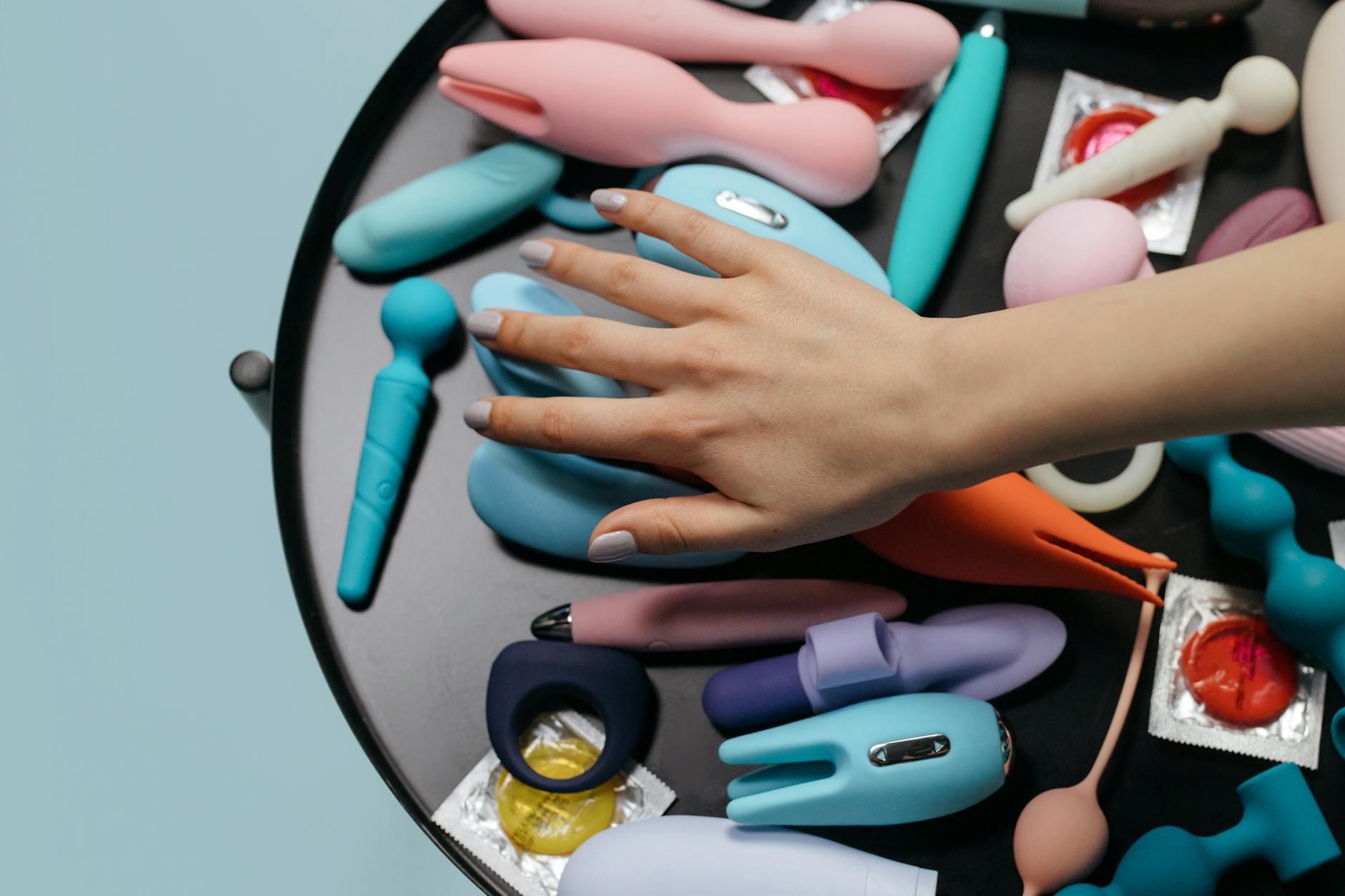
How to Use Lemon Vibrators When Sex Feels Awkward After Years Together
That initial spark doesn't have to stay faded. Here's how couples rediscover pleasure together using lemon clitoral vibrators, plus the real reason the awkwardness happened in the first place.
Years together, and suddenly sex feels like you're both reading from a script you wrote five years ago. The rhythm is still there. The attraction hasn't vanished. But somewhere between the mortgage, the daily routines, and just... knowing each other so well... the spontaneity evaporated. And you're both pretending it's fine.
Here's what I see in my practice: couples often wait until they feel resentful to address this. By then, it's wrapped up in so many other things that talking about sex feels like cracking open the whole relationship. The good news is that using tools like lemon vibrators together can actually be the gentler entry point to rebuilding that connection.
It's not because the passion is gone. It's because predictability kills novelty, and your brain is wired to respond to novelty. After five, ten, twenty years, your partner's body and your own rhythms are known quantities. Your nervous system stops paying attention. That's not a relationship failure. That's just neurology.
The other piece: couples often stop communicating about what they actually want. Early on, there's uncertainty, so you talk more. You ask questions. You're discovering. Then you think you know everything, so you stop asking. You both become passive. And passive sex, even with someone you love, gets boring.
When I ask couples "What does your partner like?" they usually answer with confidence. When I ask "How do you know?" they often pause. They're not sure anymore because they haven't asked in years.
Using a lemon clitoral vibrator together breaks three patterns at once. First, it introduces novelty. Your nervous system literally wakes up because something is different. Second, it forces a conversation. You have to talk about where it should go, what patterns feel good, what the pace should be. That communication often extends beyond the toy itself. Third, it normalizes saying "I want this" without it feeling like criticism of what came before.
Many couples I work with say that introducing a toy was the first time in years they'd articulated what they actually wanted in sex. And that conversation alone shifts things. Not because the toy is special, but because you're being direct about desire again.
Start with the conversation, not the toy. Tell your partner you're thinking about trying something new. Not "our sex life has become stale" (they already know), but "I want to explore some things together and I think it could be fun." Frame it as addition, not correction.
Choose a moment that's not mid-sex. Have this talk over coffee or a walk, not when you're already intimate. That removes the pressure and the vulnerability of rejection in the moment.
Be specific about what you're interested in. "I'm thinking about a clitoral vibrator" works better than vague hints. If you've looked at lemon vibrators specifically, say so. Hello Nancy's lemon clitoral vibrator is a popular entry point because the suction sensation feels genuinely different from typical vibration. That difference is often what makes it feel less like "adding something" and more like "discovering something new together."
If your partner is hesitant, understand why. Sometimes it's insecurity ("Isn't this enough for you?"). Sometimes it's just uncertainty about how to use it. Ask questions instead of pushing. "What concerns do you have?" opens up a conversation instead of cementing a position.
You've both agreed to try it. Here's what actually works.
First, use it on yourself first. Alone. Know how it feels, what the intensities are, where you like the sensation. This removes the pressure of figuring it out while someone's watching, and it helps you communicate clearly. "I like it on pattern three, lower on the clitoris" is way more useful than "just do something."
When you're ready to use it together, start with your partner using it on you, not the other way around. This keeps the focus on your pleasure and removes any performance anxiety from your partner. If they're worried about "doing it right," let them explore your response instead of trying to please them while learning a new toy.
Let them control the pace and pattern. Communication here is key. "That feels good, try going a bit slower" or "I like when you hold it still on that spot" gives them direction without criticism.
The suction sensation of a lemon vibrator is gentler on some tissue than intense vibration, which means longer sessions without discomfort are often possible. That extended time together, even if you're mostly quiet, rebuilds physical intimacy that may have faded.
Something shifts once you've introduced novelty and reignited communication. You start to remember that sex isn't just about the endpoint. It's about being present together in a way that most of your week doesn't allow. Work, logistics, parenting, household management. None of that requires you to be fully present with another person. Sex does.
A lemon vibrator isn't a relationship fix. But it's often the thing that makes couples pause long enough to remember that they still want to discover each other. And that's where the real reconnection happens.
After you've used the lemon clitoral vibrator a few times, you might find that the novelty itself eventually becomes routine. That's normal and not a failure. Instead of abandoning the toy, think about variation. Different times of day. Different positions. Different patterns. Or introduce something else alongside it.
The couples who maintain connection long-term aren't the ones who found the perfect position or the perfect toy. They're the ones who kept communicating about what they wanted and stayed willing to try things together. The tool is almost secondary.
This isn't just about pleasure. When you're talking about what you want sexually, you're practicing vulnerability. You're saying "this matters to me" and "I trust you with this." That muscle building carries over into other conversations. Couples who can discuss sexual desire often find it easier to discuss emotional needs, financial worries, and parenting decisions.
Using a lemon vibrator together, then, becomes a kind of gateway to broader intimacy. You're reestablishing that you can want things and ask for them. That your partner will listen. That trying something new together is something you can do without judgment.
The goal isn't to make sex exciting every time. That's unrealistic. Some nights will still feel routine. That's fine. But if the majority of your intimate time feels like you're both just going through motions, something needs to shift. A lemon clitoral vibrator, introduced thoughtfully and communicated about clearly, is one way to interrupt that pattern.
The key is not treating it as a bandage for a deeper problem. If the awkwardness is actually about resentment, different desires, or disconnection in the rest of your relationship, a toy won't fix that. But if it's just about routine and lost novelty, introducing something new and talking about it can genuinely help.
If your partner says "I feel like I'm not enough," that's worth addressing directly. You might say "That's not what this is. I want to explore this with you. That's different." If they're worried about pain or discomfort, talk to them about the sensation. Lemon vibrators use suction rather than traditional vibration, which feels very different and is often more comfortable for extended use.
If they're just uncomfortable talking about it, remember that some people need time. Bringing it up once and then dropping it is better than pressure. They might circle back to it in a few weeks when they've had time to sit with the idea.
Once you've reestablished that you can talk about sex and try new things together, the awkwardness usually lifts naturally. You're no longer performing a script. You're actually present. And presence is what people respond to.
Your sex life after years together doesn't have to feel like a shadow of what it was early on. It can feel different. Sometimes better, because you know each other and you trust each other in ways you didn't at the beginning. That foundation makes deeper connection possible, not harder. You just have to be willing to keep communicating and exploring together.
Can you use lemon vibrators with a partner if you've never talked about sex before?
Yes, but I'd recommend starting with a conversation first. If sex is a taboo topic in your relationship, introducing a toy without talking about it might feel even more awkward. A simple "I found something I want to try together" often opens the door more gently than silently placing a vibrator on the nightstand. You might also consider reading about sexuality together or watching a film about relationships and intimacy. Sometimes external permission helps.
What if my partner feels threatened by a lemon vibrator?
That's common and worth taking seriously. Insecurity during sex is real. Frame it clearly: "I want this with you, not instead of you." You might also explain that a lemon clitoral vibrator targets sensation in a way that hands or other methods might not, and that it's about deepening what you already have together. Give them time to adjust to the idea. And if they're still not comfortable, don't force it. Pressure kills intimacy faster than almost anything else.
Can using lemon vibrators in a couple create a new problem if one partner wants it and the other doesn't?
It can become a point of contention if desire is mismatched and one person feels rejected. That's why communication before, during, and after is crucial. If one partner wants to use a lemon vibrator and the other doesn't, respect that boundary. The awkwardness you're trying to fix isn't solved by forcing novelty. It's solved by understanding each other's actual needs and preferences.
How often should couples use a lemon vibrator to maintain that reconnection?
There's no magic frequency. Some couples use it every time they have sex. Others use it occasionally. What matters is that you're consciously choosing to be present and experimental together. Some couples find that after several times, the novelty fades but the communication that came with it sticks around. That's the real win.
Is using a lemon clitoral vibrator with a partner different from using it alone?
Yes. Alone, it's about your own pleasure. With a partner, it adds an element of shared focus and vulnerability. Your partner is watching you respond, controlling the sensation. That's both more intimate and more exposing. Some people prefer that vulnerability. Others find it takes longer to relax into. Both responses are normal.
What if we use a lemon vibrator and sex still feels awkward afterward?
Then the awkwardness might be about something deeper than routine. It could be resentment, different values, or feeling disconnected outside the bedroom. A vibrator can interrupt a pattern, but it can't fix a relationship that needs repair in other areas. If the awkwardness persists, talking to a couples therapist is worth considering. There's no shame in getting support.
The couples who maintain connection and pleasure long-term aren't doing anything magical. They're just staying curious about each other. Using a lemon vibrator together, talking about what feels good, and staying willing to explore. That's it. If you're feeling that awkwardness, you're not alone. And you're not broken. You just need permission to shake things up a bit.
If you'd like to talk through how to approach this conversation with your partner, or if you're dealing with deeper relationship questions, reach out to us. We're here to help.