Let's talk about what happens when desire comes back
Depression doesn't just make you sad. It erases desire. The neurochemistry flattens everything. Sex becomes something you used to want, back when you felt things. Your body goes quiet.
Recovery
Depression steals pleasure. When it finally lifts, your body feels like a stranger. Here's how to reconnect with sensation and rebuild sexual confidence safely.
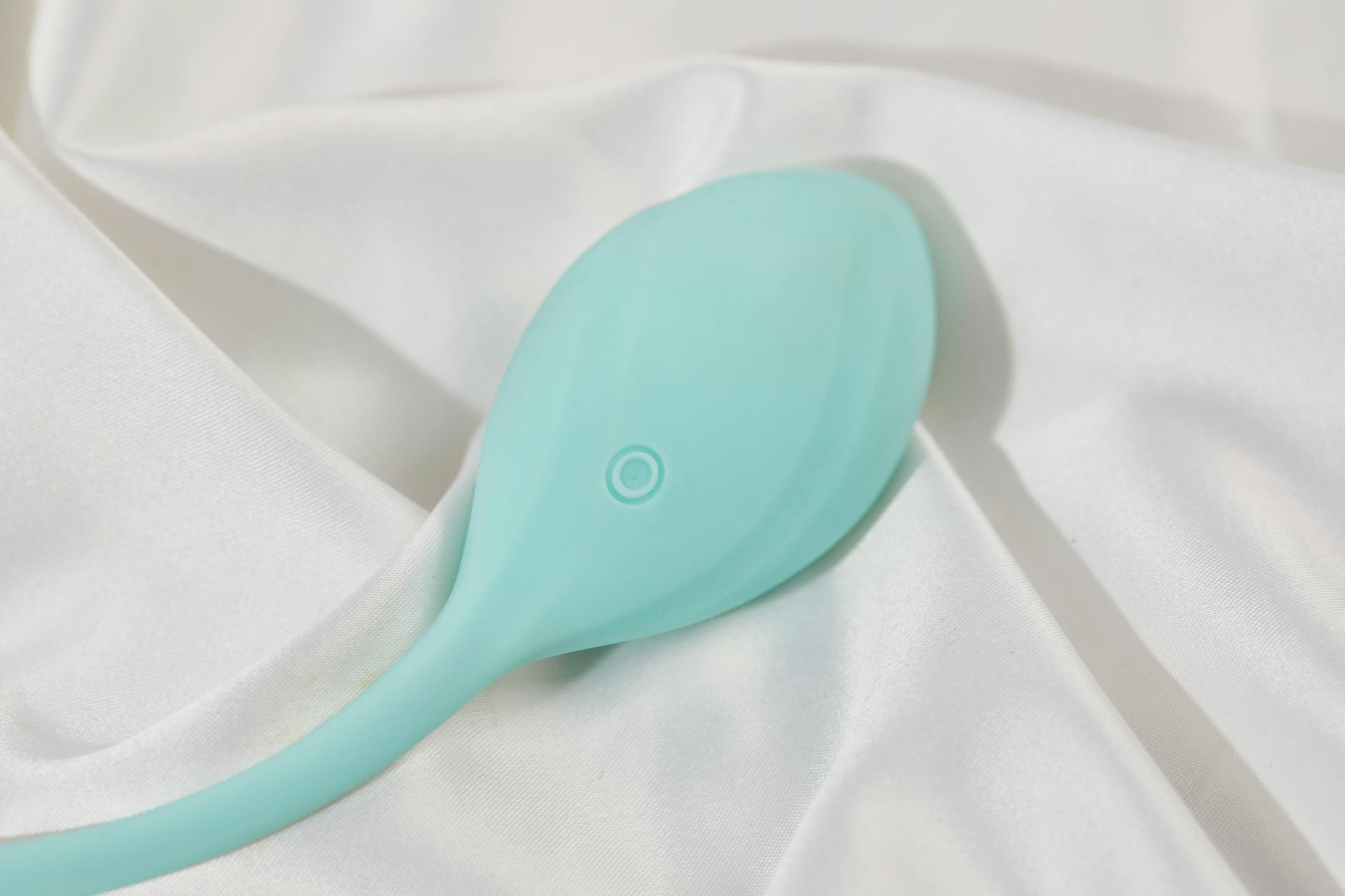
Depression doesn't just make you sad. It erases desire. The neurochemistry flattens everything. Sex becomes something you used to want, back when you felt things. Your body goes quiet.
Then one day, it doesn't. The medication adjusts. The therapy clicks. The fog lifts. And suddenly you notice your partner again. Or you think about pleasure for the first time in months. The returning desire can feel confusing, almost guilt-inducing. Like you're waking up from a very long sleep.
Here's what nobody tells you: reconnecting with pleasure after depression is a skill, not a given. Your body has been offline. Your confidence has taken a hit. And jumping back in the same way you were before doesn't always work. You need to rebuild, gently, with intention.
When depression lifts, three things are happening at once.
First, your dopamine and serotonin chemistry is still stabilizing. Even if you feel "better," the neural pathways for pleasure and arousal are still waking up. A lemon clitoral vibrator might feel too intense one day and not quite right the next. That's neurochemistry recalibrating, not you being broken.
Second, you've lost touch with your own body. Depression creates disconnection. You might have spent months not noticing hunger, fatigue, or physical sensation. Pleasure requires noticing. You have to rebuild that awareness slowly.
Third, there's grief. You've lost months of your life. You might feel angry about that, or embarrassed, or deeply tired. Those emotions sit right next to returning desire, and they don't always feel compatible. That conflict is real and worth acknowledging before you dive into pleasure.
The worst approach is to expect immediate results. You're not trying to orgasm. You're trying to remember what sensation feels like.
Start with exploration that has zero pressure. Use your hands alone for the first week or two. Notice temperature, texture, your own breathing. This isn't about arousal. It's about reconnection. You're teaching your nervous system that touch is safe and present.
When you do introduce a toy, start with something that gives you control. A lemon sucker like Hello Nancy's Lem is ideal because it's intuitive. You can press it directly where you need it, move it slowly, and stop instantly if something feels wrong. The suction sensation is gentler than vibration alone. It doesn't require you to coordinate anything. Your only job is to notice.
Use it at a low setting. Spend 10 to 15 minutes just exploring, not chasing orgasm. This is a recalibration phase. Your clitoral nerve endings have been dormant. They need to wake up without shock.
Here's where I see people stumble most: they expect depression to have no residual effect. But it does. There's shame about the time lost. There's frustration that pleasure isn't automatic yet. There's sometimes resentment toward a partner who waited, or anger at your own body for breaking.
All of that lives in your nervous system. Pleasure requires your nervous system to feel safe. Shame and impatience make it contract.
Before you use a lemon vibrator, check in with yourself. Not with a therapist monologue, just a quiet question: "Am I doing this because I want to, or because I think I should?" If it's the latter, wait. Genuine desire rebuilt after depression is patient. It doesn't perform.
When you do use a clitoral vibrator, focus on sensation over outcome. Notice the exact feeling of the suction. Notice where your mind goes. If you get frustrated, stop. There's no finish line. You're rebuilding a relationship with your own pleasure.
If you have a partner, their role is crucial but limited. They cannot make you feel desire. They cannot fix the impatience or shame. What they can do is create safety.
That means explicit permission to go slow. That means not initiating sex until you've had a few solo reconnection sessions with a lemon clitoral vibrator. That means checking in without judgment if something doesn't work. That means accepting that your libido might return unevenly. One day feels great. The next day feels neutral. That's okay.
Consider having a conversation with your partner before you restart. Not a heavy one. Something like: "I'm feeling desire again. I want to take my time rebuilding this. Sometimes it might feel good, sometimes awkward. I need you to be patient and ask before you touch me." That clarity prevents a lot of hurt feelings later.
If your antidepressant has caused sexual side effects (many SSRIs do), and depression has now lifted, your doctor might adjust your dose or switch your medication. Don't suffer in silence. That's a legitimate medical conversation. The right medication shouldn't come at the cost of sexual function.
If you've reintroduced pleasure slowly and are using lemon vibrators gently, but you're still feeling nothing after a month, mention that to your therapist or doctor. Sometimes depression leaves a longer shadow on the nervous system. Sometimes an additional adjustment helps.
Pain during use is never normal. If a lemon sucker or any toy causes pain (not just pressure, but actual pain), stop and see a pelvic health specialist. Depression sometimes contributes to pelvic floor tension. That's treatable.
Rebuilding pleasure after depression is partly physical, but mostly emotional. You're relearning that your body is yours. That sensation is safe. That desire is allowed, even after you've lost time.
Some days you'll use your lemon clitoral vibrator and feel nothing, and that will be fine. Some days you'll feel a spark and it will surprise you. Some days you'll feel nothing and get frustrated, and that frustration will pass. All of it is part of the process.
One of the gifts of surviving depression is that when pleasure comes back, you notice it differently. It's not assumed. It's precious. A good clitoral vibrator becomes less about performance and more about presence. The Hello Nancy Lem, designed for suction rather than vibration alone, naturally invites presence. You have to stay engaged with it. You can't zone out. That's actually helpful when you're rebuilding.
Your desire will return fully. It might take weeks or months. That's not weakness. That's recovery.
There's no standard timeline. For some people, interest returns within a few weeks of medication adjusting or therapy progressing. For others, it takes three to six months. The important thing is not to force it or judge yourself if it takes longer than you expected. Depression impacts neurochemistry in complex ways. Patience with yourself during recovery is part of the healing.
Not if you're gentle and patient. The risk isn't the vibrator itself. It's pushing toward orgasm before your nervous system feels safe. Using a clitoral vibrator for exploration rather than performance is actually healing. Start at low intensity, keep sessions short (10 to 15 minutes), and stop if something feels off.
It depends on your relationship and communication style. If you have a partner you trust, yes. Transparency builds safety. You don't need to make it a big conversation. Something simple like "I'm exploring alone to reconnect with my own body" usually opens the door. If you're not sure, ask yourself: would keeping it secret create distance? If yes, share.
Nothing is normal in early recovery. Your clitoral sensitivity might be dampened. Your arousal system might still be recalibrating. Give it time. Don't increase intensity or pressure. Instead, just keep using it gently two or three times a week. Consistency matters more than intensity. Your body is learning that pleasure is available again.
Some medications do cause long-term sexual side effects, but most don't once you've adjusted or switched medications. If you're noticing that pleasure hasn't returned after three months and you've reintroduced activity slowly, talk to your prescriber. There might be a dose adjustment or alternative medication that works better for you. This is worth addressing because sexual function matters.
Completely normal. Depression often comes with shame. There's shame about the episode, about the lost time, about your body not working right. When desire returns, that shame can feel like a reason not to pursue pleasure. It's not. Guilt is just an old familiar feeling. Pleasure is reclaiming yourself. That's not selfish. That's healing.
Your body hasn't forgotten how to feel pleasure. Depression just interrupted the conversation between you and sensation. Using a lemon vibrator, with patience and presence, is how you restart that conversation. There's no rush. There's no "normal" timeline. There's just you, gently reconnecting with one of your own senses that depression tried to steal.
The desire will come back. And it might surprise you with how clear and insistent it becomes, now that you've fought for it. That clarity is one of the unexpected gifts of recovery. Welcome it.
Ready to explore? Start small, be honest about where you are, and reach out if you need support.