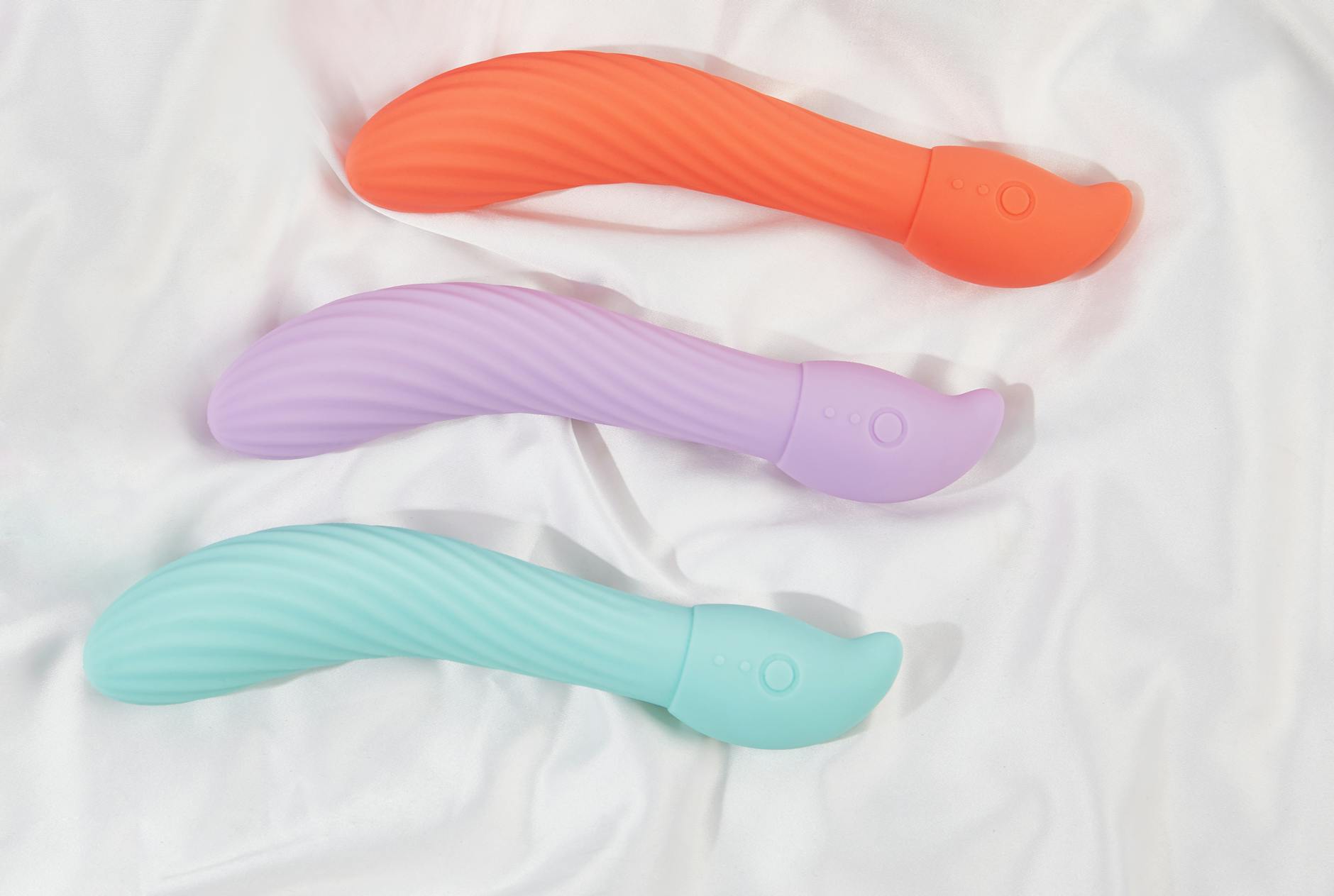
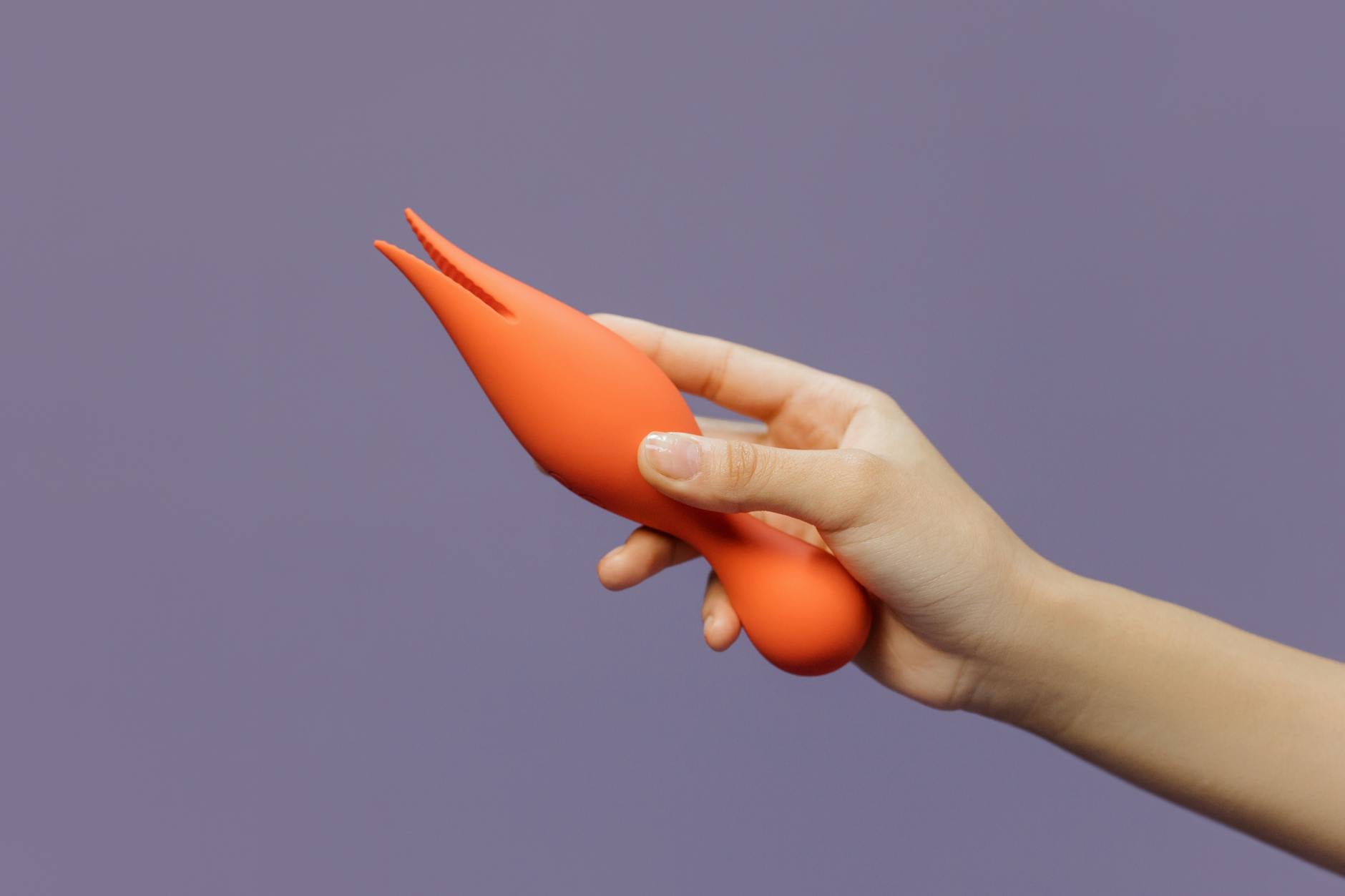
How to Use Lemon Vibrators When Clitoral Sensitivity Increases With Age
Your clitoris gets more sensitive as you get older. Here's why that's not a problem, and how to adjust your technique so a lemon clitoral vibrator still feels exactly right.
Honestly, this one surprises people. Most of us grow up thinking pleasure gets quieter with age. The opposite is often true. Your clitoris can become markedly more sensitive in your 40s and beyond. What felt perfect at 28 can feel overwhelming at 48. That's not dysfunction. That's nerve endings waking up.
If you've noticed that vibration intensity you used to love now feels too intense, you're not alone. And it doesn't mean you need a less effective vibrator. It means you need to understand what's changing and how to use a lemon clitoral vibrator in a way that matches your body now.
Your clitoris doesn't shrink with age. What changes is the tissue around it and the neural landscape underneath. Here's the surprising part: less hormonal cycling can mean fewer competing sensations in your nervous system. That noise clears. The signal gets stronger.
Think of it like the difference between listening to music in a crowded bar versus a quiet room. The volume's the same. But in the quiet room, every note lands harder. The decades of hormonal fluctuation that characterized your reproductive years create constant background noise. When that quiets down, sensitivity often intensifies.
Also, your pelvic floor changes. As estrogen drops, the tissue under the clitoris becomes thinner in some areas and can concentrate sensation differently. Blood flow patterns shift. The nerve endings themselves don't disappear, but they become more responsive to stimulation. Some women describe it as their clitoris "waking up."
You might notice that direct, high-intensity vibration that used to feel amazing now borders on uncomfortable. The buzzing that built arousal at 35 now feels sharp or even slightly painful. That's not a sign to stop. It's a sign to change your approach.
Many of my clients report this happens gradually. They'll use their familiar vibrator for months and think nothing's changed. Then suddenly, one session, something feels different. Too much. Too sharp. Then they avoid it for weeks because they assume they've "broken" something. They haven't. Their body's just asking for a different dialogue.
The way a lemon clitoral vibrator delivers stimulation is mechanically different from traditional vibrators. Instead of pure vibration, a lemon sucker uses air-pulse technology. That means suction and release, not constant buzzing against tissue.
For increased sensitivity, this matters enormously. Suction feels different from friction. It's broader, more diffuse. It stimulates without the sharp contact that can feel overwhelming. You get intense sensation without the "too much" feeling that high-frequency vibration can trigger.
The Hello Nancy lemon vibrator, for example, lets you start at pattern one and two, which are gentler than the deepest settings. The patterns are progressive, which means you control exactly how much intensity you're introducing. That control is crucial when sensitivity has increased. You're not managing an on-off switch. You're managing a spectrum.
Start lower than you think you need to. If you used to start at intensity level five, begin at level two or three. Give yourself three to five minutes at that level. Your body will signal when it's ready to move up. That signal matters more than any technique guide.
Approach from the sides. Direct contact with the clitoral head can feel intense. Stimulating from the side, or with the vibrator angled slightly away from direct contact, spreads sensation across a wider area. That diffusion often feels better when sensitivity is heightened. You're still targeting the same nerve endings. You're just distributing the intensity differently.
Use longer warm-up time. Arousal takes longer to build, and that's actually helpful here. A 20-minute warm-up means your nervous system has time to acclimate. You're not jumping from zero to arousal in seconds. You're building gradually. That gradual ascent means you're less likely to hit a plateau that feels overwhelming.
Pay attention to lubrication. More sensitivity can mean drier tissue, especially if you're post-menopausal. A water-based lube isn't about friction reduction only. It changes how sensation registers. With lubrication, vibration or suction feels broader and less sharp. Without it, the same stimulus feels more concentrated and intense.
Increased sensitivity can feel like a loss at first. Your old rhythm doesn't work anymore. That's grief, even if it's small grief. It's worth acknowledging that before you jump into troubleshooting.
But increased sensitivity is also often accompanied by increased capacity for pleasure. The same change that makes high intensity uncomfortable often makes moderate intensity absolutely exquisite. You're trading the ability to go very hard for the ability to feel more deeply at lower volumes. That's not a bad trade. It's just a different trade.
If you're partnered, this can feel destabilizing if your partner doesn't understand what's happening. Communication helps enormously. "My body's changed. Intensity that used to feel good now feels too sharp. But when we adjust the approach, pleasure is actually deeper" is different from "I can't feel pleasure the same way anymore." One shuts the conversation down. The other opens it.
There's a difference between "this is too intense for me" and "this hurts." Increased sensitivity that makes you adjust your technique is normal. Pain that appears during or after use is worth investigating.
Genitourinary syndrome of menopause (GSM) can include nerve irritation that shows up as sharp pain or burning with vibration. A menopause-trained gynaecologist or GP can help determine what's happening. Often, topical estrogen cream resolves it in weeks. Sometimes it's worth exploring different lube formulations or adjusting your practice slightly.
If sensitivity has become so heightened that even the gentlest lemon clitoral vibrator patterns feel sharp, that's worth mentioning to a healthcare provider too. Occasionally, heightened sensitivity signals a nerve issue or a medication interaction. Usually it just means your body's recalibrated and you need to too.
Increased sensitivity is often a gift that shows up disguised as a problem. Many of my clients tell me that once they adjusted their technique and accepted that their body had changed, pleasure became richer than it had been in years. Lower intensity doesn't mean less pleasure. Often it means more precision. More nuance. More room to actually feel.
The lemon vibrator's design makes this especially accessible. You're not fighting against a vibrator that only has two settings, high and higher. You're working with technology that lets you fine-tune exactly what you need. That's the infrastructure for genuine pleasure at this stage of your life.
Your body isn't broken. It's evolved. And that evolution, navigated with intention and the right tools, often leads somewhere genuinely better than what came before.
Hormonal changes, particularly declining estrogen, alter tissue thickness and blood flow. Paradoxically, the reduction in hormonal cycling can heighten nerve responsiveness. Less background hormonal noise means sensation registers more intensely. This is common and usually manageable with technique adjustments.
Yes. In fact, many people find lemon clitoral vibrators more comfortable than traditional vibrators when sensitivity increases. Air-pulse technology spreads stimulation across a broader area rather than concentrating it in one spot. Start at lower patterns and work up at your own pace.
Often it's just a normal part of aging. However, if sensitivity is accompanied by pain, burning, or texture changes in the tissue, consult a healthcare provider. Genitourinary syndrome of menopause is treatable and worth ruling in or out.
Not necessarily. Most of the time, adjusting your technique works better than switching tools. Start at lower settings, approach from the side, use more lube, and extend warm-up time. If those changes don't help after a few sessions, then exploring different technology might be worth it.
Typically, a few sessions of intentional practice. Once you find the approach and intensity that works, your body remembers. Some people adapt in a week. Others take a few weeks. Consistency and patience matter more than rushing the process.
It's usually permanent once hormones have shifted. That's not a bad thing. Most people find that once they adjust their technique, they prefer the sensitivity. The pleasure often feels richer, not diminished.
If increased sensitivity has made your old approach feel overwhelming, a lemon clitoral vibrator designed for nuanced control is worth trying. Start low, be patient with yourself, and remember that your body's changes aren't a problem. They're just asking you to listen differently.
If you're navigating this shift and want to talk through what approach might work best for you, we're here. Reach out anytime at /contact.