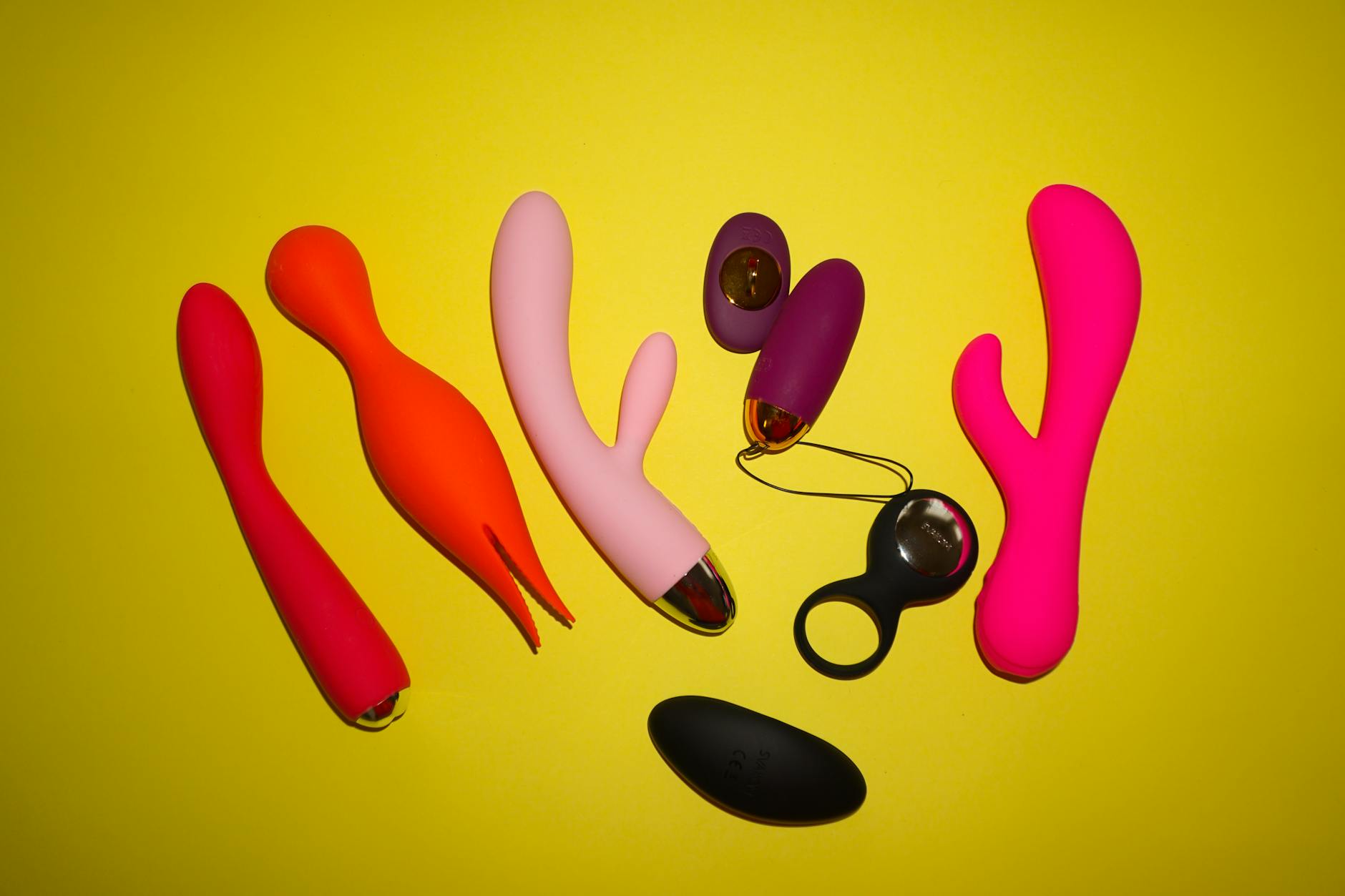
Nervousness around vibrators isn't weird or uncommon. If you're anxious about using a lemon vibrator or any clitoral toy, you're not broken. You're human. Many people freeze when facing a device designed to feel good because anxiety literally hijacks the nervous system that's supposed to be enjoying sensation.
Here's the tension: your brain is trying to protect you, and simultaneously trying to let you feel pleasure. Those two jobs are fighting. A lemon vibrator, designed specifically for clitoral stimulation, can actually help resolve that conflict. But only if you approach it with the right framework.
When we're nervous, our sympathetic nervous system activates. This is your fight-or-flight response. Blood redirects away from the genitals and toward large muscle groups. Your pelvic floor tightens. Your breathing shallows. Your mind gets loud with self-consciousness.
All of that is the opposite of what needs to happen for pleasure to build. Arousal requires the parasympathetic nervous system to activate. That's your rest-and-digest mode. It's the only system that supports blood flow to erogenous tissue and the mental quietness that allows sensation to register.
So the first step isn't picking up a lemon vibrator tomorrow. It's understanding that your anxiety is a real physiological event, not a character flaw or a sign that you're "too uptight for toys."
Clitoral vibrators like the Lem work differently than internal vibrators. They use gentle suction and pulsing patterns rather than deep thrusting. This matters for nervous systems because the sensation is localized, predictable, and doesn't require you to surrender to penetration.
For people with anxiety, predictability is foundational. You can control the intensity. You can pause. You can turn it off instantly. That sense of control itself can quiet anxiety enough to let arousal through.
The lemon clitoral vibrator's design also means you're not worrying about depth or internal sensation. Your brain has fewer things to manage. Fewer variables often means lower baseline anxiety.
Don't start with the vibrator turned on. Start with it off, in your hand, in a comfortable private space. Notice what feelings come up. Awkwardness? Curiosity? Shame? Excitement? All of it is data, not judgment.
Spend a few minutes just holding it. You can put it somewhere you'll see it regularly, low pressure. This is called habituation. Your nervous system gets used to something existing without threat.
Next, turn it on at the lowest setting with your hand or a pillow between the toy and your body. You're not using it yet. You're just listening to the sound and feeling the vibration through fabric. Again, spend a few minutes here. Nothing to prove.
This might take three nights, or three weeks. That's completely fine. You're retraining your nervous system to interpret a vibrator as safe, not as a test you might fail.
Timing matters enormously for anxious bodies. Don't try this when you're stressed, distracted, or have somewhere to be in 20 minutes. You need a stretch of uninterrupted time where your only job is to feel what happens.
Start with external stroking. Most clitoral vibrators like the Lem are designed for external use anyway. You can explore the different intensity levels by holding it at different distances or angles. This isn't about rushing to orgasm. This is about information gathering.
Notice what patterns feel good. Notice what makes your body tense up. Tension is useful feedback. If something feels uncomfortable, stop immediately. Your nervous system is trying to tell you something. Listen to it.
Many anxious bodies experience a weird dissociation where pleasure builds but feels distant or unreal. That's also normal. Don't chase the perfect orgasm your first time. Just notice what sensation feels interesting.
If you're in a relationship, the instinct might be to try a lemon sexual toy with your partner. Please don't. Not yet. Partner pressure, even well-intentioned, activates performance anxiety, which kills pleasure faster than anything.
When you're alone, you don't have to perform. You can be awkward. You can stop. You can take 10 minutes just exploring vibration without it leading anywhere. You can learn what your nervous system needs to feel safe before you add the variable of someone else's expectations.
Once you've spent time solo, you can eventually bring your partner in. But the foundation is knowing your own body's signals first.
Sometimes nervousness around clitoral vibrators or lemon adult toys connects to shame about pleasure itself, past trauma, or cultural messaging that pleasure isn't for you. Those things are real, and a vibrator won't fix them alone.
If you find yourself hitting a wall where anxiety doesn't ease with time and practice, talking to a therapist who specializes in sexual health might be the right next step. There's no shame in that. A professional can help you understand where the anxiety roots from and give you specific tools tailored to your history.
Many people find that addressing nervous system regulation separately (through breathing techniques, somatic therapy, or EMDR) makes pleasure feel accessible in a way toys alone can't achieve.
Once you've spent a few sessions with the lemon vibrator on low settings, you might want to explore medium. Or you might not. There's no timeline here. The goal isn't to eventually use every feature. The goal is to find the settings that make your body feel good without triggering your anxiety.
Some people discover they prefer patterns that feel gentle and rhythmic. Others like the pulse settings. Some find that the suction alone (without vibration) is their sweet spot. None of this is wrong. Your preference is the only metric that matters.
Familiarity breeds comfort. Each time you use your lemon clitoral vibrator without something terrible happening, your nervous system updates its threat assessment. "Oh, this device is safe. My body responded okay. I didn't die of embarrassment." That updated file gets filed away, and next time the baseline anxiety is slightly lower.
You might feel weird using a vibrator. Proud of yourself. Silly. Horny. Disconnected. All at once or in sequence. That's completely normal. Pleasure doesn't arrive in one clean feeling.
You might also discover that certain patterns remind you of anxiety or dissociation. Notice that without judgment. You can pause. You can try something else later. Your body is teaching you about itself.
Most importantly, using a lemon vibrator when you're nervous about pleasure is an act of self-advocacy. You're telling your nervous system and your body that your pleasure matters enough to figure out.
Use a space where you won't be interrupted. Turn your phone off. Make sure you're warm and comfortable. Some people like dimmed lighting. Some prefer to keep eyes closed for the first few times.
Having a small towel nearby is practical and removes one more thing your anxious brain has to worry about. Water-based lubricant can actually reduce anxiety because you're not adding the friction surprise that nervous bodies often find overwhelming.
The more you can remove variables, the quieter your nervous system becomes. Quiet nervous systems can actually feel pleasure.
Completely normal. Especially if anxiety is present. Your nervous system might be so focused on threat detection that sensation doesn't register. This doesn't mean the vibrator is broken or you're broken. It means your parasympathetic nervous system wasn't activated yet. Keep showing up for yourself without pressure. Sensation often arrives in session three or four, not session one.
Yes, with care. The key is building in so much predictability that the vibrator never surprises your nervous system. Start with it off. Start at lowest intensity. Have a plan to stop instantly if panic feels close. Some people with panic find that having a partner nearby (just in the room, not participating) helps. If panic becomes overwhelming, stop and try again another day. Your nervous system needs to know it's truly in control.
Shame about pleasure is cultural programming, not personal failure. Many of us grew up with messages that female pleasure was somehow suspicious, dangerous, or self-indulgent. Your nervous system absorbed that. Using a lemon vibrator while that shame is present can feel like you're fighting yourself. That's why solo practice in private matters so much. You're literally rewriting the neural pathways that connected pleasure to danger. This takes time.
You can tell them the truth: "I need to get comfortable with this alone first." A partner who respects that boundary is a partner worth keeping. If they push, that's important information too. Pleasure shouldn't feel coerced. Solo practice builds your confidence, and confident bodies are aroused bodies. Once you've built that confidence solo, partnered exploration becomes genuinely enjoyable instead of stressful.
Not necessarily. Sometimes anxiety about any pleasure tool points to relationship issues. Often it just points to your own nervous system's history. If anxiety only shows up with a vibrator and nowhere else in your life, it's probably not a relationship problem. If you're anxious about pleasure generally, and it shows up everywhere, that might be worth exploring with a therapist or with your partner in couples counseling.
Absolutely. A vibrator isn't about forcing arousal you don't feel. It's about exploring sensation if you're curious. Some asexual people enjoy physical sensation without sexual feeling attached. Some people with low libido discover that a predictable, controlled source of sensation actually helps their nervous system relax in ways that can invite desire. There's no performance expectation here.
Using a lemon clitoral vibrator while you're nervous about pleasure isn't a race. The goal isn't to orgasm as fast as possible or to "fix" your anxiety in one night. The goal is to spend time with your own body, learning what feels good, and gradually teaching your nervous system that pleasure can be safe.
Every time you show up for yourself without pressure, you're building evidence that your body is worth tending to. That's the real work. The vibrator is just a tool. You're the important part.