Pregnancy changes sex. Postpartum changes it again. Not everyone wants to have sex while pregnant or in those first weeks after birth, and that's completely normal. But plenty of people do want to, and the information out there is either terrifyingly vague or weirdly clinical.
Here's the honest part: pleasure during pregnancy and postpartum recovery is possible, safe, and often really valuable for maintaining connection with your partner and yourself. The catch is that it requires different tools, different timing, and a lot more communication than usual.
Let's start with what doctors actually say. For most uncomplicated pregnancies, sexual activity is safe all the way through. That includes orgasms. Contrary to the myths floating around your aunts' group chat, an orgasm won't trigger early labor, and penetration won't harm your baby.
What changes is sensation, comfort, and what your body physically tolerates. Blood flow shifts. Hormone surges make some people's clitoris more sensitive and others less so. Your breasts get tender. Your belly gets in the way. Anxiety about "is this okay?" often matters more than the physical act itself.
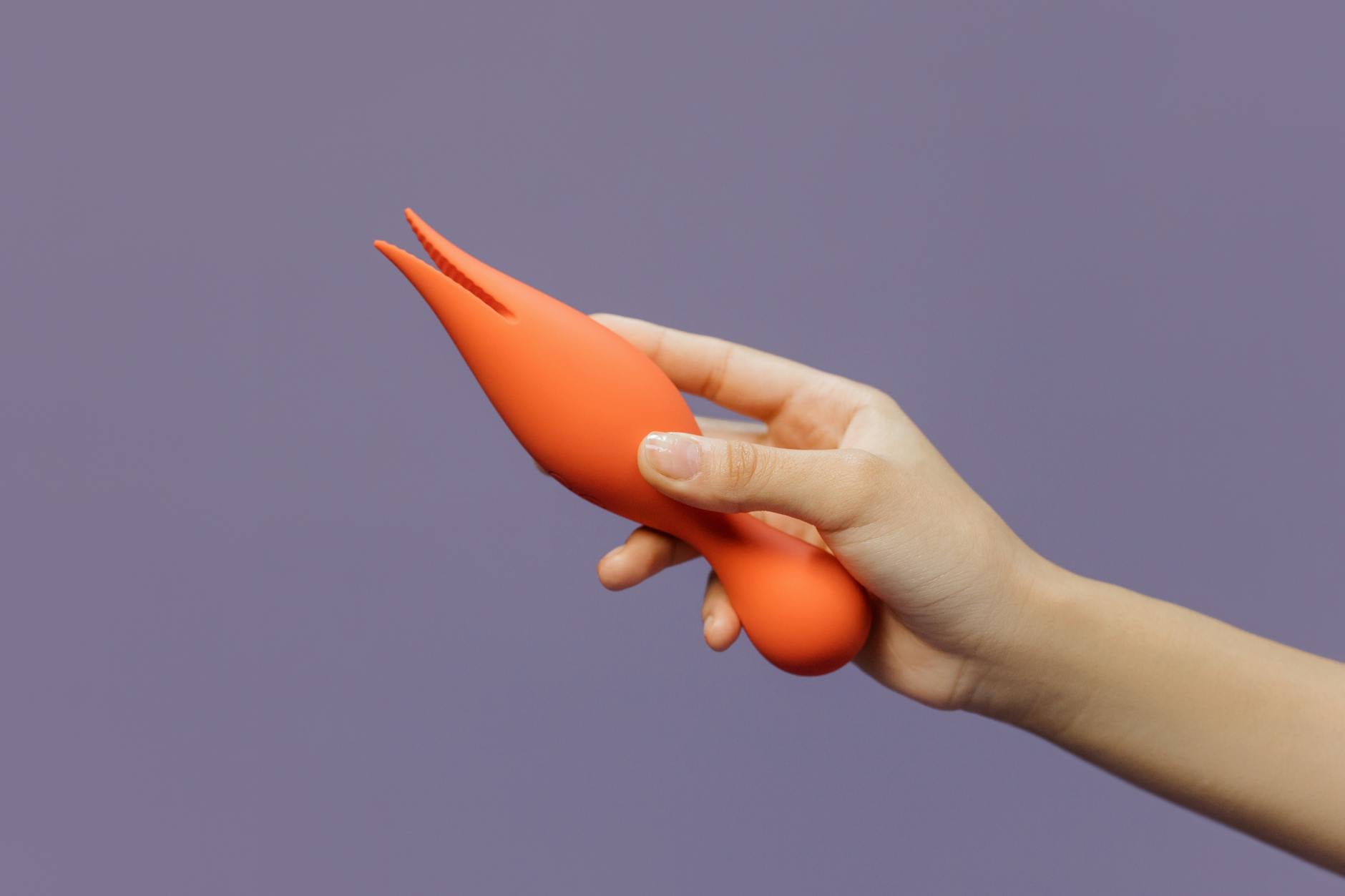
Clitoral vibrators like the Lem work particularly well during pregnancy because they let you control exactly where stimulation happens and how intense it is. No guessing, no pressure to perform for a partner. Just you, your body, and what feels good in that moment.
Penetration often gets uncomfortable as your belly grows. Certain positions become impossible. Arousal takes longer to build because your circulatory system is doing other things. But the clitoris? It's not going anywhere, and many pregnant people find clitoral orgasms actually easier to achieve than they were before.
Three things shift:
1. Increased sensitivity. Estrogen surge means more blood flow to your genitals. Some people experience heightened arousal and easier orgasms in the second trimester. (The third trimester usually reverses this because, well, logistics.)
2. Different nerve response. Your body isn't the same neural landscape it was. What felt intense before might feel gentle now, or vice versa. A lemon clitoral vibrator's suction mechanism is gentler than direct vibration, which many pregnant people prefer.
3. Permission to skip penetration. Without the expectation of "full" sex, both partners often relax. Solo pleasure becomes less goal-oriented. That mental shift alone can make orgasms more accessible.
The second trimester is often when pregnant people feel best. Nausea fades, energy returns, and the belly is prominent but not yet restrictive. If you want to explore pleasure with a partner or solo, this is typically the window.
Start with longer foreplay. Arousal takes 20-30 minutes to build during pregnancy, sometimes longer. Don't rush it. Use lube even if you don't normally need it, because hormone shifts can affect natural lubrication.
If you're using a clitoral vibrator, start on the lowest setting. Your sensitivity is unpredictable, and what felt perfect last week might feel too intense this week. The Lem's pattern options let you dial in exactly what your body wants on any given day.
Position matters more than it did pre-pregnancy. Side-lying works. Lying on your back with pillows under your hips works if you're not past 28 weeks. Your partner entering from behind (if penetration is part of the picture) works better than missionary as your belly grows. But honestly, focusing on clitoral pleasure means positions become way less important.
By month seven or eight, a lot of people feel less interested in sex. That's not dysfunction, that's biology. Your body is literally growing a human. Energy is finite. Discomfort is real. Some people still want sexual pleasure, though, and that's valid too.
Here's what actually works: solo clitoral stimulation in positions that don't put pressure on your belly. Sitting upright with a pillow behind your back. Lying on your side. Using a vibrator while your partner holds you, for the connection without the physical demand. Or having your partner use a vibrator on you while you stay completely still, which removes the pressure to "do" anything.
Many people also find that third trimester orgasms feel different. Slower. More localized. Less full-body. That's not worse, just different. And sometimes more satisfying because the expectation drops.
One warning: if you have any bleeding, cramping, placental concerns, or a high-risk pregnancy, talk to your care provider before any sexual activity. Most of the time it's fine, but you deserve to hear it directly from your doctor, not from an article.
The postpartum period isn't about pleasure. It's about healing. Whether you delivered vaginally or by cesarean, your body is recovering from significant trauma. Bleeding lasts for weeks. Hormones are crashing. You're sleep-deprived. Your pelvic floor is recalibrating.
Medical guidance typically says to wait 6 weeks before any penetrative sex, and that's a floor, not a deadline. Many people need 8-12 weeks to feel ready. Some need longer.
But here's the thing people don't talk about: clitoral stimulation is often gentler and safer sooner than penetration. You won't have medical clearance to use a vibrator, so this isn't an excuse to skip the check-in with your doctor. But if you're 4-5 weeks postpartum and your partner wants to pleasure you without any penetration, that conversation is different than "can we have sex yet."
If you do explore pleasure postpartum (only after your doctor clears you, only if you genuinely want to), use lots of lube and go slower than you ever have. Your tissues are healing. Hormones are fragile. What feels good isn't just physical, it's about feeling seen and desired when you might feel invisible in your own body.
After medical clearance (typically 6-8 weeks), pleasure becomes possible again, but it won't be what it was. Not worse, just different. Hormones are still unstable. If you're breastfeeding, prolactin suppresses testosterone and dulls arousal. Your pelvic floor is stronger but might feel numb in places. Orgasms can feel faint or delayed compared to pre-pregnancy.
This is where clitoral vibrators become genuinely helpful. They give your nervous system a clear signal, which can wake up arousal when it feels dormant. They also let you achieve orgasm on a timeline that works when you're exhausted. An orgasm solo or with a partner might be 10 minutes instead of 20 because the vibrator is more efficient.
Many people also find that the suction-based sensation of a lemon clitoral vibrator feels better postpartum than traditional vibration. It's less jarring on sensitive tissue and can feel more intimate.
Here's the thing nobody tells you: pregnancy and postpartum sex isn't really about sex. It's about feeling connected, desired, and safe in a body that doesn't feel like yours. Your partner might be terrified they'll hurt you. You might be terrified you'll feel nothing. Both things happen.
Talk about it explicitly. "I want to try clitoral pleasure this week but I'm worried about the positioning." "I miss being sexual with you but I'm not ready for penetration yet." "Can you help me with a vibrator because I'm too tired to do it myself?" Specificity removes shame.
Your partner's role isn't to "perform" or to push you to prove you're "back to normal." It's to follow your lead, ask what would help, and sometimes just hold space while you figure out what your body wants now.
If you have pain during any sexual activity postpartum, don't push through it. Pain isn't a sign you're not ready yet, it's a sign something needs attention. A pelvic floor physical therapist can identify whether it's tension, scar tissue, positioning, or something else.
If desire hasn't returned after 6 months postpartum and it's bothering you, that's also worth mentioning to your doctor. Postpartum depression and anxiety often hide in low libido. Medication side effects might be playing a role. Thyroid function sometimes tanks postpartum. These are all fixable, but they require naming the problem first.
If you're exclusively breastfeeding and your libido is completely absent, that's often hormonal and temporary. Weaning usually helps. But again, your doctor should know.
Pregnancy and postpartum aren't problems to "get through." They're seasons. And seasons change. The person who couldn't tolerate penetration at month nine might miss it desperately at month four postpartum. The person who felt numb might suddenly reconnect. Your pleasure is allowed to be a moving target right now.
Clitoral vibrators work during these seasons because they're flexible. They don't require a specific body position, a specific level of arousal, or a partner to operate. They meet you where you actually are, not where you think you should be.
Your pleasure matters during pregnancy and postpartum recovery. So does your healing. Those things can coexist.
For most uncomplicated pregnancies, yes. The vibration itself won't harm your baby. It doesn't reach the uterus and can't trigger early labor. What matters is that you talk to your care provider if you have any complications, placental concerns, or if you experience bleeding or pain.
No. Orgasms are not a labor trigger in uncomplicated pregnancies. You might feel Braxton-Hicks contractions after orgasm (especially late in pregnancy), but these are practice contractions, not real labor. If you're high-risk or have had previous complications, ask your doctor specifically about this.
Wait for medical clearance before any sexual activity, typically 6 weeks for vaginal birth and slightly longer for cesarean. Even after clearance, going slowly matters. Your tissues are healing, hormones are unstable, and numbness is normal. Start with lower intensity and lots of lube.
Not exactly, and that's okay. Your pelvic floor will often be stronger. Your arousal timeline might shift. Your orgasms might feel different. These aren't deficits, they're changes. Most people find that their post-postpartum pleasure is actually richer than before because the stakes feel lower and the connection matters more.
If you're using a vibrator solo or you're in a fluid-bonded relationship with a partner, no. If you're not fluid-bonded with your partner, using a barrier during postpartum sex (including vibrator use) is wise because your immune system is compromised and infection risk is higher. Use a water-based barrier like a female condom or a latex glove.
That's completely normal and valid. Some people feel more sexual during pregnancy. Others feel repulsed by touch. Both are okay. Don't force pleasure because you think you should. Your body will tell you when it's ready, and that might not be for months. Your partner can wait. If they can't, that's a different conversation.