How to Use Lemon Vibrators After Stopping Hormonal Birth Control
Your body chemistry shifts the moment you stop the pill. Here's what to expect, how lemon clitoral vibrators feel different, and why your pleasure might change.
Let's be real: nobody warns you about the pleasure changes that come with stopping hormonal birth control. Your doctor tells you about period regularity, skin texture, mood shifts. Nobody mentions that the way your body responds to touch will actually transform. But it does, and understanding that shift makes all the difference when you're rediscovering pleasure with lemon vibrators or any clitoral toy.
The moment you stop taking hormonal contraception, your estrogen and testosterone levels start climbing back to their natural baseline. This isn't a small tweak. It's a full recalibration of the hormones that drive arousal, blood flow, and sensitivity. For most people, that means pleasure gets more intense, more accessible, and faster to reach. For others, it means a weird adjustment period where familiar sensations feel unfamiliar.
The good news? Lemon vibrators are actually one of the best tools to navigate this transition because they give you precise, consistent stimulation while your body is figuring out its new baseline.
Hormonal birth control works by keeping your estrogen and progesterone levels artificially stable. That stability has real perks: lighter periods, clearer skin, predictable mood. But it also dampens the natural fluctuations that drive desire. Your testosterone level on the pill is roughly half what it could be off it. Testosterone is the hormone that creates that rush of wanting someone, that electric response to stimulation.
When you quit, testosterone climbs back within days. Some people feel this immediately as a spike in baseline desire. Others take a few weeks or even a full cycle to notice the shift. Estrogen also climbs, which increases blood flow to the genital tissues, making arousal physically easier to access.
Here's the catch: that increased blood flow and sensitivity can also make standard vibrations feel more intense than before. Something that felt nice at medium intensity on the pill might feel aggressive now. That's why adjusting your approach with lemon clitoral vibrators or any suction toy is crucial. Your body isn't broken. It's just recalibrated.
Expect the adjustment to be a little weird. Some people report that orgasms feel different immediately. Others notice that arousal comes faster but feels scattered or harder to focus. A few describe a kind of sensory overwhelm, especially if they were on the pill for years.
My advice for the first two weeks: go slower than usual. If you normally use your lemon vibrator at intensity level 3, start at level 1 or 2. Your sensitivity has increased, even if it doesn't feel that way mentally. Your body needs permission to figure out what it actually wants without the overlay of pharmaceutical hormones.
Some people find that the mental side is the bigger shift than the physical one. Off the pill, many report that anxiety about pregnancy or side effects lifts. That mental clarity alone can make pleasure feel more grounded and intentional. If that resonates with you, lean into it. Your pleasure is partly neurological, and a calmer mind genuinely changes how sensation registers.
If you had a period before starting birth control, your cycle will restart. That cycle creates natural fluctuations in estrogen and testosterone across the month. This is where pleasure gets genuinely interesting. You might notice that some weeks, arousal comes easily and intensely. Other weeks, you need more warm-up time or different kinds of stimulation.
This cyclical shift is not a bug. It's completely normal physiology. And it's worth tracking, because understanding your own cycle makes it way easier to know when to reach for the lemon vibrator and when you might want slower, broader stimulation or different pacing.
During the high-hormone phases of your cycle (roughly ovulation), clitoral sensation tends to be most direct. Lemon vibrators work beautifully here because the suction mechanism gives you focused, consistent input without needing to manage intense direct pressure. During the lower-hormone phases, you might find you need more warm-up time or prefer longer sessions.
The key adjustment: pay attention to what actually feels good now, not what felt good three months ago. Your body is genuinely different.
Most traditional vibrators work through direct vibration against the clitoris. When your sensitivity is in flux, that direct mechanical stimulation can feel unpredictable. Some days it's amazing. Some days it borders on too much.
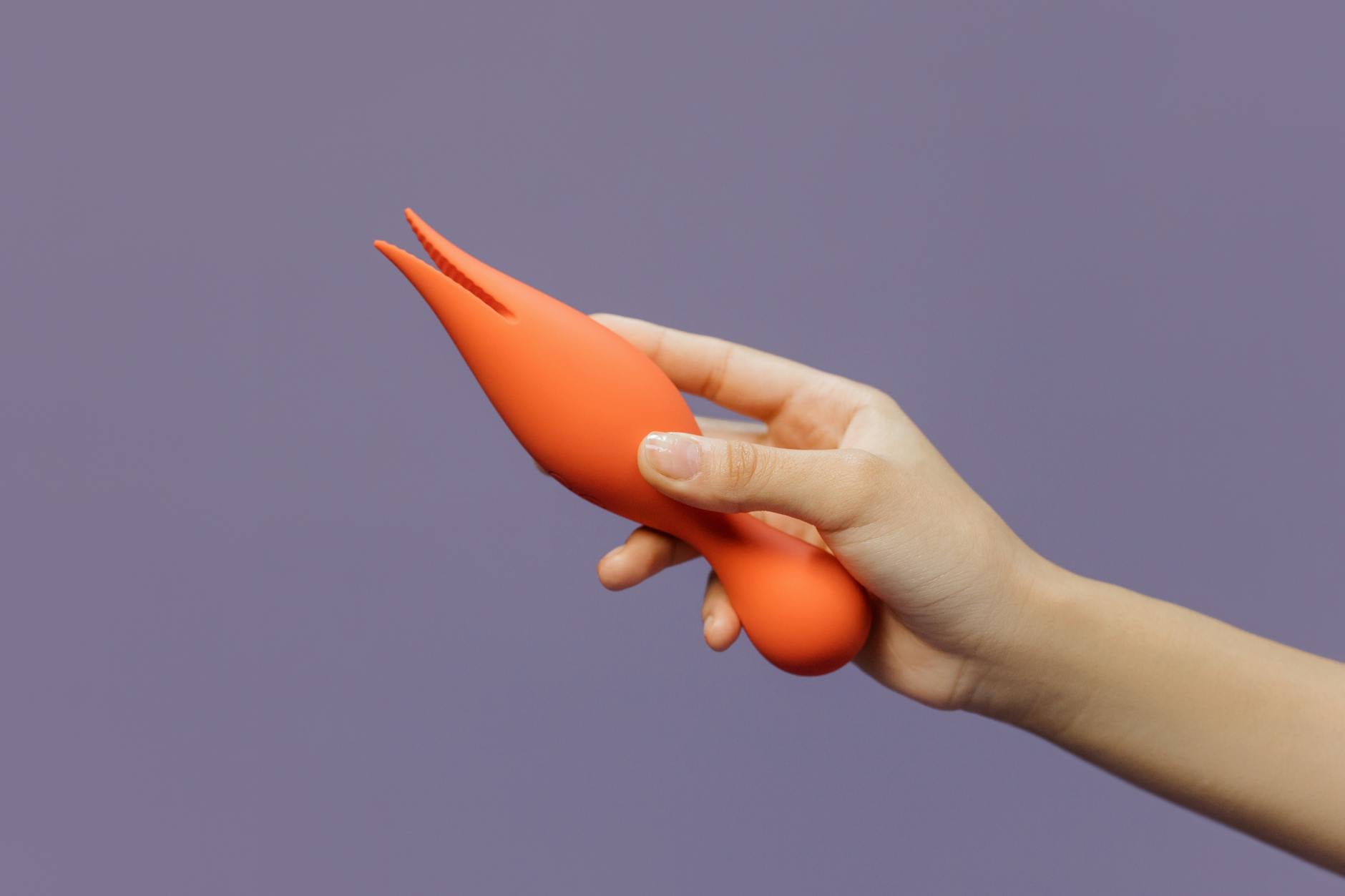
Lemon vibrators and other air-suction toys work differently. Instead of buzzing directly against tissue, they create a gentle suction and pulsing rhythm that stimulates the entire clitoral complex, including the internal bulbs. This gives you more diffuse, less potentially overwhelming sensation. You're not dependent on finding the exact right pressure point. The suction does a lot of the work for you.
If you're coming off the pill and your body feels hyperresponsive, a lemon clitoral vibrator is genuinely one of the smartest tools to start with. The sensation is intense, but it's also somehow gentler because it's not point-focused. You can find the sensation you want by adjusting intensity, not by moving the toy around endlessly.
Three things make this transition easier. First, budget more time for warm-up. Off the pill, you might feel like arousal should come faster because it will eventually. But in these early weeks, your mind and body aren't always in sync. Give yourself 10 to 15 minutes of foreplay or solo touching before you bring out the lemon vibrator. That primes your nervous system and makes the toy feel more integrated into pleasure, not like an external tool doing something to you.
Second, use water-based lubricant even if you don't think you need it. Increased blood flow doesn't necessarily mean increased natural lubrication, especially in the early weeks. A little extra glide makes the sensation feel smoother and gives your body less to negotiate.
Third, start at lower intensities than you might have used before and work up. Most lemon vibrators have multiple settings for exactly this reason. Your nervous system will tell you when intensity is right. Listen to it.
If you're in a relationship, your partner might notice changes too. You might have more desire, or differently-timed desire, or desire that doesn't match theirs the way it used to. That's worth talking about directly, separate from any pleasure conversation.
"My body is recalibrating off the pill" is a statement about biology. "I want us to explore this together" or "I need to figure out what I like right now" is a conversation about intimacy. Mixing those two creates confusion. Have the first conversation matter-of-factly. Have the second one with presence and actual curiosity about what your partner needs too.
If pain appears during or after masturbation, or if you notice heavy bleeding or unusual discharge, talk to a gynecologist. Those aren't normal parts of adjustment. Some people do experience temporary pelvic floor tension when hormones shift, and that's something a pelvic floor physical therapist can help with.
If your desire completely tanks and doesn't recover after three to four months, that's also worth mentioning to your doctor. Most people experience an increase in baseline desire after quitting the pill, so a sharp decrease is worth investigating. It could be unrelated to coming off birth control, or it could point to something that deserves attention.
Honestly? Most people adjust within three to six months. Some people feel like themselves again in two weeks. A smaller group takes closer to a year. There's no wrong timeline. Your body has been on an external hormone schedule for years. It needs time to remember its own rhythm.
The lemon vibrator or clitoral vibrator you reach for today might feel totally different in six weeks. That doesn't mean something is wrong. It means your body is normalizing. Lean into that curiosity instead of fighting it. Your pleasure is a conversation with yourself, not a fixed setting.
Most likely yes, at least temporarily. For many people, orgasms become more intense and easier to reach as testosterone rebounds. For others, the sensation changes in ways that feel unfamiliar at first. Some describe them as faster, some as deeper, some as more full-body. Give yourself at least a month before deciding if the change is good or disappointing. Your nervous system needs time to integrate the shift.
Three to six months is typical for physical adjustment. Mental adjustment sometimes takes longer, especially if you were on the pill for a decade or more. Your body is relearning its own baseline after years of external hormonal input. That's not quick, but it's worth the wait.
Absolutely. Just start gentler than you might have before. Your sensitivity is higher, even if you don't consciously feel it yet. Low to medium intensity is smarter than jumping straight to high. You can always increase intensity. You can't unfeel something that was too much.
For most people, yes. Testosterone is a huge driver of desire, and yours is about to climb. But libido isn't just hormonal. Stress, relationship dynamics, body image, and mental health all matter enormously. If your life situation is stable, expect increased baseline desire. If you're dealing with other major changes, the hormonal boost might be less noticeable.
That's usually about changed sensitivity, not the toy itself. Lower the intensity for a while. Take longer warm-up periods. Use more lube. Your body is literally changing how it processes sensation. The toy is the same. Your nervous system isn't.
Very normal. Hormones don't just affect pleasure. They affect mood, anxiety level, and your sense of baseline emotional stability. Some people come off the pill and feel like they can breathe for the first time in years. Others feel slightly unmoored for a few months. Both are completely reasonable responses. If mood shifts feel destabilizing, talking to a therapist can help you separate hormonal adjustment from other things going on.
Stopping hormonal birth control is a physiological reset. Your body will recalibrate, and that recalibration will absolutely affect pleasure. Lemon vibrators are particularly good companions for this transition because their suction mechanism gives you consistent, adjustable stimulation while your sensitivity is in flux. Be patient with yourself. Start slow. Pay attention to what actually feels good right now, not what felt good before. Your pleasure is worth the attention, and the best part usually comes once your body settles into its new baseline. If you want to talk through your specific situation, reach out to the team at Hello Nancy through our contact page.
Your body isn't broken. It's just remembering how to be yours again.