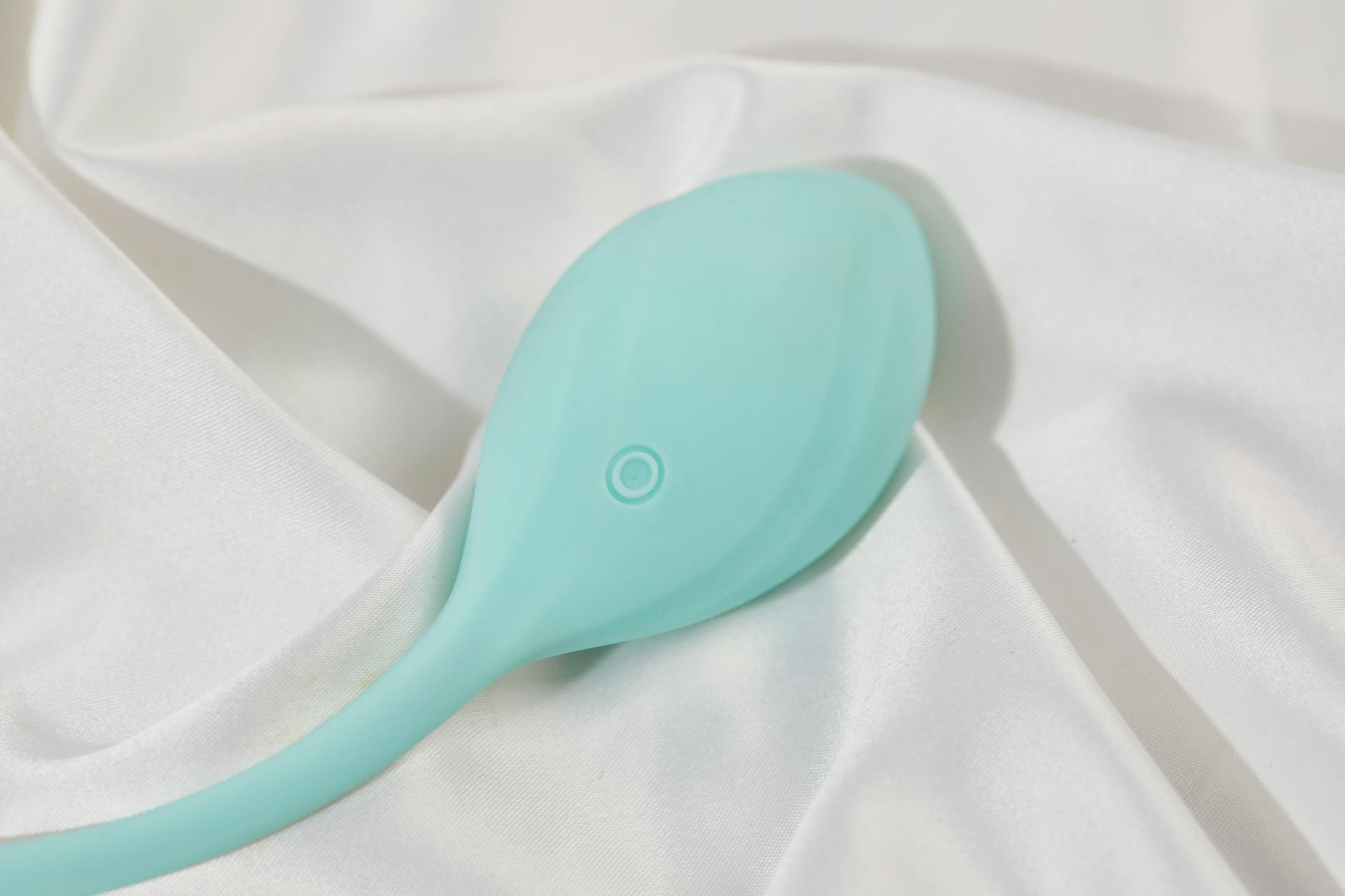
Starting birth control pills rewires your hormones in ways that ripple through your entire body, including how you experience pleasure. The frustrating part is that nobody tells you this. You get a pamphlet about side effects (nausea, headaches, spotting), and then you're supposed to figure out on your own why your orgasms feel different, why arousal takes longer, or why your lemon clitoral vibrator suddenly feels too intense.
Here's the thing: these shifts are normal, temporary in many cases, and absolutely manageable. Understanding what's happening in your body is the first step to working with it instead of against it.
Birth control pills contain synthetic estrogen and progestin (or progestin alone in mini pills), which suppress your natural hormonal cycle. This is intentional and prevents ovulation. What's less discussed is how this affects arousal pathways and tissue sensitivity.
Three specific things happen:
Your testosterone drops. People don't realize that anyone with ovaries produces testosterone, and it's crucial for desire and orgasmic intensity. Birth control suppresses it. This can mean lower baseline arousal and less spontaneous desire. You might find yourself needing more mental prep or deliberate intention to get in the mood, which is completely normal and not a sign something is wrong.
Vaginal lubrication patterns change. Synthetic hormones affect how your body produces natural lubrication. Some people find they need more external lube (even if they never have before), while others notice they lubricate faster or differently than they did off pills. The texture and consistency can shift too. Water-based lubricant becomes your friend regardless.
Tissue sensitivity adjusts. Your vulva and clitoral tissue respond differently to stimulation when you're on synthetic hormones versus your natural cycle. For many people, this means the intensity that felt perfect before birth control now feels too strong. This is especially true with lemon vibrators, which are already powerful air-suction devices.
A lemon sucker works through gentle pulsing air pressure rather than direct vibration. The clitoral tissue responds beautifully to this stimulus, but that responsiveness changes when you start hormonal birth control.
If you've been using a lem vibrator before starting pills, you might notice:
It feels more intense than before. Not necessarily bad, but different. Your natural threshold for intensity has shifted downward because of reduced testosterone and altered tissue sensitivity. Starting on setting one or two instead of your usual three or four is a smart adjustment.
Orgasms take longer to build. You might need 12-15 minutes instead of 8 to reach climax. This isn't failure. It's just your body on new hormones. Patience and extended foreplay are your adjustments here, not desperation.
Sensations feel flatter or more diffuse. Some people describe it as needing to concentrate harder to feel pleasure as sharply. This typically settles within 2-3 months as your body acclimates to the synthetic hormones. It's a real adjustment, not imagination.
Your body doesn't adapt to birth control immediately. The first 2-3 months are when most hormonal side effects peak. If you're a long-time lemon vibrator user, this is the period when you might feel most frustrated with your pleasure experience.
What I tell clients: be gentle with yourself. Your body is literally reorganizing how it processes hormones. That's enormous, and it deserves patience.
Specific adjustments for the first trimester on pills:
Lower your intensity settings by 1-2 levels and see how it feels. You can always increase later once your body settles. There's no shame in this. It's biology, not a downgrade in your capacity for pleasure.
Budget more time. If you blocked 10 minutes before, give yourself 20. Rushing when your body is adjusting is where frustration lives.
Add lube even if you didn't need it before. External lubrication helps when tissue sensitivity is in flux. It's not a sign something is wrong. It's a practical tool.
Experiment with different patterns. The Lem has multiple intensity settings and pulse patterns. When one doesn't land the same way, trying another might surprise you. Your body might respond better to a different rhythm than it did before.
Stay hydrated and manage stress. This sounds like wellness bullshit, but it's not. Dehydration reduces natural lubrication, and cortisol from stress dampens arousal. Both are especially relevant in those first weeks when your hormones are reorganizing.
Most people find their pleasure response stabilizes after 3-4 months on birth control. Your body adapts, and the hormonal profile becomes your new normal. At this point, you might find that you don't need to lower your intensity settings quite as much, or that arousal returns closer to baseline, or that sensitivity rebalances.
Some people feel consistently better after the adjustment period. Lower hormonal fluctuation means more stable mood, fewer cramps, and for some, a more reliable pleasure response without the hormonal swings that come with a natural cycle.
Others find that the changes persist, and that's information too. If after 4 months you still don't feel like yourself, talking to your gynecologist about switching pills or trying a different method is completely valid. Not every hormonal birth control works for every body.
Start low, go slow. Begin on the gentlest setting and work up. You can increase intensity in future sessions once you know how your body is responding.
Lube generously. Water-based, always. It helps when tissue sensitivity is unpredictable.
Focus on patterns over intensity. Sometimes a different pulse pattern lands better than cranking up the pressure. Explore the Lem's full range.
Warm up longer. Give yourself permission for 15-20 minutes of foreplay before using the vibrator. Mental arousal matters more when physical arousal is shifting.
Pay attention to your cycle. Even on pills, most people have a slight hormonal shift mid-cycle. Some find pleasure is more accessible right after their period. Tracking this for a couple of months can be revealing.
Don't assume something is broken if it feels different. Difference is not dysfunction. Your body is adjusting, and you're adjusting with it.
Most pleasure changes from birth control are temporary and manageable. But if you're experiencing pain, complete loss of desire that hasn't returned after 3-4 months, or significant numbness or difficulty reaching orgasm at all, those conversations with a gynecologist matter.
Sometimes the pill isn't the right fit for your body, and switching to a different formulation or method (IUD, ring, patch) makes a huge difference. There are so many options, and your pleasure experience is worth the effort to find what works.
Also worth mentioning: birth control can interact with other medications or health factors. If you're on antidepressants, manage chronic pain, or have other health conditions, those compound how birth control feels in your body. A thorough conversation with a doctor who actually listens to this stuff is invaluable.
Starting birth control is a choice about your body and your future, and it's normal for that choice to come with adjustments in how pleasure feels. You're not broken. Your lemon vibrator still works beautifully. Your body is simply running on different chemistry, and that takes time to figure out.
The people I work with who navigate this best are the ones who get curious instead of frustrated. They experiment. They adjust. They give their bodies the runway to adapt. And most find that within a few months, they're back to feeling deeply pleasured, just with slightly different settings and a deeper understanding of their own body.
Your pleasure matters. Your comfort matters. And taking the time to figure out how to use tools like the Lem in a way that feels good on your new hormonal reality is not fussy. It's self-respect.
For many people, yes. The combination of lower testosterone and altered tissue sensitivity means orgasms might feel less sharp or intense in the first 2-3 months. This usually improves as your body adjusts. If it persists beyond three months, talking to your doctor about whether the specific pill formulation is right for you makes sense.
Absolutely. You might need to adjust settings, use more lube, or allow more time for arousal, but there's nothing unsafe about using lemon vibrators on birth control. Hormonal birth control doesn't reduce your capacity for pleasure. It changes the parameters slightly, which you can adapt to.
Most people feel significant adaptation within 3-4 months. Some shift faster (4-6 weeks), and for others it takes closer to 6 months. Patience during those first weeks helps. The changes are usually manageable with small practical adjustments like lowering intensity, adding lube, and giving yourself more warm-up time.
Not necessarily right away. Give yourself at least 3-4 months for your body to acclimate. If after that period pleasure still feels drastically different or absent, then a conversation with your gynecologist about switching to a different formulation or method is reasonable. Different pill types have different hormone loads, and some people feel better on certain formulations.
Completely normal. Synthetic hormones change how your body produces natural lubrication. Adding external water-based lube is a smart, practical adjustment. It's not a sign something is wrong. It's your body working with you.
They can temporarily reduce baseline desire due to lower testosterone. This usually settles after the first few months as your body adapts. If desire stays completely flat beyond 4 months, that's worth discussing with your doctor. The right pill formulation, combined with intentional time for arousal and connection, helps most people feel their libido return.