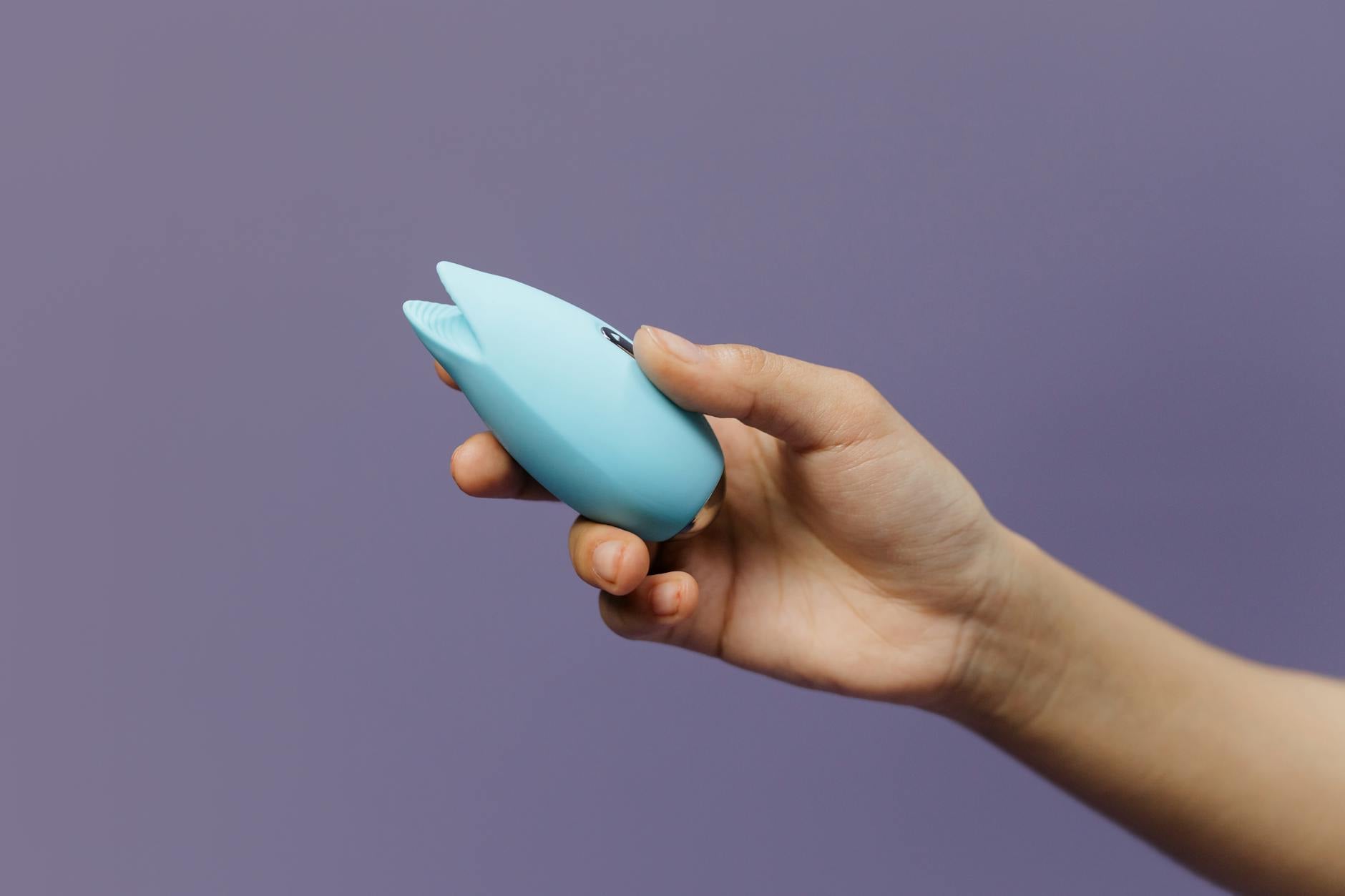
The fear that regular use will numb your sensitivity is one of the most common worries about lemon clitoral vibrators. Here's what the research actually shows.
I hear this worry constantly. Someone discovers how powerful a lemon vibrator feels, uses it regularly, and then worries: "Am I numbing myself? Will I never enjoy regular touch the same way again?"
It's a legitimate concern dressed up as medical fact. Let's actually unpack what's real and what's anxiety.
Your clitoris has somewhere between 8,000 and 10,000 nerve endings packed into a space smaller than a pea. These nerves don't have an on-off switch. They have something more interesting: a pattern-recognition system.
When a sensation stays the same, your nervous system stops reporting it. This is called "adaptation." It's why you stop noticing your socks once you put them on, or why road noise fades into the background. Your brain is filtering constant signals so you can pay attention to what's changing.
But here's the critical part: adaptation isn't damage. It's not permanent. And it's absolutely not the same as desensitization.
Desensitization would mean losing nerve function or requiring more stimulation to feel anything at all. That's not what happens with vibrators. What happens instead is something much more boring and much less alarming.
When you use a lemon vibrator frequently, a few things happen:
Your brain learns the pattern. The first time you use a 7,000 RPM suction device, it's novel and intense. The 50th time, your nervous system has learned: "This pattern happens, and here's how I respond." That's not numbness. That's habituation.
Your expectations shift. This is the sneaky one. If you spend 20 minutes with intense, consistent stimulation most days, lighter touch might feel less dramatic by comparison. But that's a matter of context, not nerve damage. Switch back to partner touch for a week and your sensitivity recalibrates.
Your preferences might evolve. Some people find that after using a lem vibrator regularly, they want more intensity than before. Others find they want less. Neither of these outcomes means you're broken. They mean you've learned what your body actually responds to.
There's no peer-reviewed evidence that regular vibrator use causes permanent desensitization or nerve damage. That's not me being reassuring. That's the actual state of the literature.
What does exist: small studies showing that people who use vibrators frequently may need slightly more stimulation to reach orgasm during that session. But the same studies show sensitivity bounces back quickly after a break, and most people report enjoying multiple different types of stimulation in rotation.
One useful finding: if you're worried about desensitization, variety helps. Using the same pattern at the same intensity every single time might lead to faster adaptation. Switching between different vibrators, different speeds, or different clitoral vibrators entirely? That keeps your nervous system alert and responsive.
This is why Hello Nancy makes the products we do. The lem works brilliantly, but so does rotating between a lemon sucker and, say, a wand vibrator or a lower-intensity toy. Your nervous system stays engaged.
Okay, so here's where people get genuinely worried. If I use lemon adult toys regularly, will manual stimulation from a partner feel unsatisfying?
Honestly? Maybe. But probably not because of desensitization.
It's more likely that you've discovered what intensity level actually works for your body, and going back to lighter touch feels underwhelming. That's not a problem. That's useful information.
The solution isn't to avoid vibrators. It's to have a conversation. Tell your partner what you've learned about your own pleasure. Use the vibrator together. Let them watch. Combine their touch with the vibrator. Many couples find that incorporating a lemon clitoral vibrator into partnered sex actually deepens their intimacy because it removes the pressure for one person to be able to do everything.
If you're genuinely concerned about irritation or sensitivity changes, here's what actually matters:
Overuse in one session. Using an intense vibrator for 45 minutes straight without breaks can leave you temporarily less responsive for a few hours. That's fatigue, not desensitization. Rest and you're fine.
Irritated tissue. If you have sensitive skin, using the same toy without enough lube, or without breaks between sessions, can cause micro-irritation. That feels like numbness because the tissue is inflamed. The solution is gentler use or a break. We've got a full guide on lemon vibrators with sensitive skin that walks through this.
Medical conditions. Certain medications (some antidepressants, some hormonal birth controls) genuinely can affect sensitivity. If you've noticed a real change that correlates with starting something new, talk to your doctor, not the internet.
Psychological adaptation without rest. If you use the same toy at the same intensity every single day for months, yeah, your brain might start tuning it out. Solution: use different toys. Take breaks. Explore different patterns. Most people naturally do this without thinking about it.
1. Rotate. Don't use the same lemon clitoral vibrator at the same intensity every single session. Try different patterns on the lem. Alternate with a different toy. Take breaks. Your nervous system stays responsive.
2. Pair with other touch. Combine vibrator use with manual stimulation from yourself or a partner. This gives your nervous system variation and keeps sensation fresh.
3. Take breaks intentionally. One week a month without vibrators? You'll notice everything feels more intense. This is partly psychological, partly neurological. Either way, it's good.
4. Notice what actually works. If you find you need more intensity than you used to, that's not a problem. That's data. Honor it.
5. Build tolerance slowly. If you're new to lemon vibrators, start at lower speeds. Your sensitivity doesn't disappear with exposure. It normalizes. Give yourself time to explore.
Regular lemon vibrator use doesn't permanently desensitize you. Your nervous system is far more resilient than that. What does happen is habituation, which is completely reversible, and sometimes a shift in what feels satisfying to you. Both are normal. Neither means you're broken.
The people most likely to worry about desensitization are often the most attentive to their own pleasure. That's actually a strength. Use that awareness. Notice what's changing, communicate about it, and adjust. That's how you actually build better sex over time, not how you lose sensitivity.
Your body isn't a battery that runs down with use. It's more like a language your brain is learning. The more you practice, the more fluent you become. That's not numbness. That's skill.
No. Your clitoris can experience adaptation (getting used to a pattern), but that's not the same as permanent numbness or nerve damage. Adaptation is reversible. Take a break, use different stimulation, or rotate vibrators, and your sensitivity returns. There's no research showing that vibrator use causes permanent nerve damage.
Adaptation can happen within a single session (after 20-30 minutes of the same pattern, you might feel less intensely). But this resets quickly. After a few hours or a day of not using the vibrator, sensitivity bounces back. True desensitization (requiring more and more stimulation to feel pleasure) isn't a documented outcome of regular lemon vibrator use.
Yes, if you're rotating patterns and taking breaks. Daily use of the exact same vibrator at the exact same intensity might lead to faster adaptation, but even that's reversible. The key is variety. Use different speeds, take a day off occasionally, combine with other forms of touch, or alternate between different lemon adult toys.
Not directly. But vibrators can teach you exactly what intensity and pattern works for your body. If that's different from what a partner can provide manually, you might find partnered touch feels underwhelming. The solution isn't to avoid vibrators. It's to communicate with your partner, use the vibrator together, and find ways to blend both types of stimulation.
Absolutely. If you've adapted to a particular lem vibrator or lemon sucker, taking a two-week break will restore your previous sensitivity level. Some people find that stepping away for a few weeks and then returning to vibrators makes the experience feel intense and fresh again.
Adaptation happens, but you can manage it. Use different vibrators. Switch between patterns. Take breaks. Combine vibrators with manual touch. These strategies keep your nervous system engaged and responsive. There's no magic here. It's just variety and intentional exploration.
Lemon vibrators don't break your body. They don't numb you permanently. They teach you what your body actually likes, and that's worth knowing. Whether you're using the lem, exploring other Hello Nancy toys, or mixing and matching, the best practice is curiosity and variety. Your pleasure is resilient. Treat it that way.